


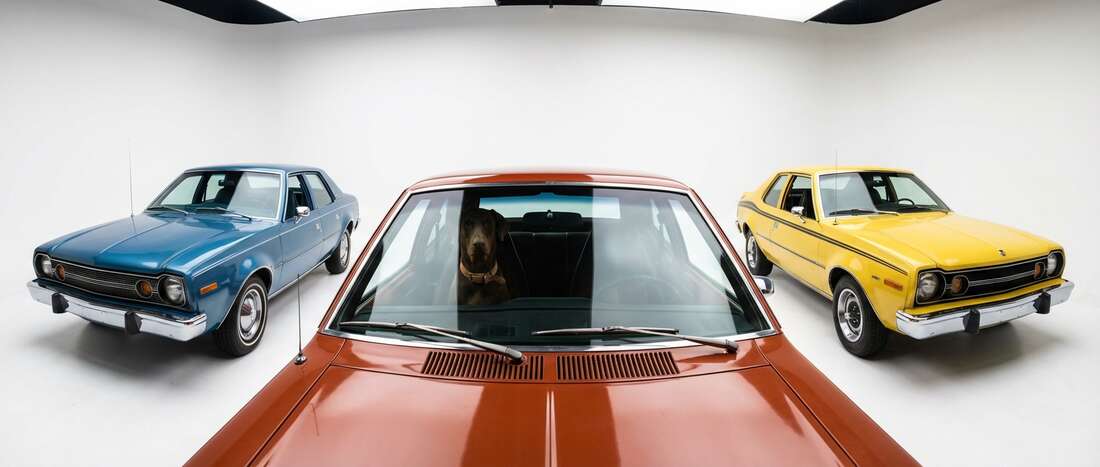
AMC Hornet Touch Up Paint (32 OEM Colors)
Search for your Hornet's color
-

Golden Ginger Metallic
AMCGolden Ginger Metallic (7M)
🔥 Ordered 1 times recently -

Loden Green Metallic
AMCLoden Green Metallic (7L)
🔥 Ordered 1 times recently -

Sand Tan
AMCSand Tan (6D)
🔥 Ordered 1 times recently -

Alpine White
AMCAlpine White (G7)
-

Autumn Red Metallic
AMCAutumn Red Metallic (7C)
-

Autumn Red Metallic
AMCAutumn Red Metallic (H8)
-

Brandywine Metallic
AMCBrandywine Metallic (J2)
-

Brilliant Blue
AMCBrilliant Blue (6R)
-

Burnished Bronze Metallic
AMCBurnished Bronze Metallic (6E)
-

Dark Cocoa Metallic
AMCDark Cocoa Metallic (H4)
-

Evergreen Metallic
AMCEvergreen Metallic (6C)
-

Firecracker Red
AMCFirecracker Red (6P)
-

Golden Jade Metallic
AMCGolden Jade Metallic (H6)
-

Khaki
AMCKhaki (8A)
-

Lime Green
AMCLime Green (7P)
-

Limefire Metallic
AMCLimefire Metallic (6K)
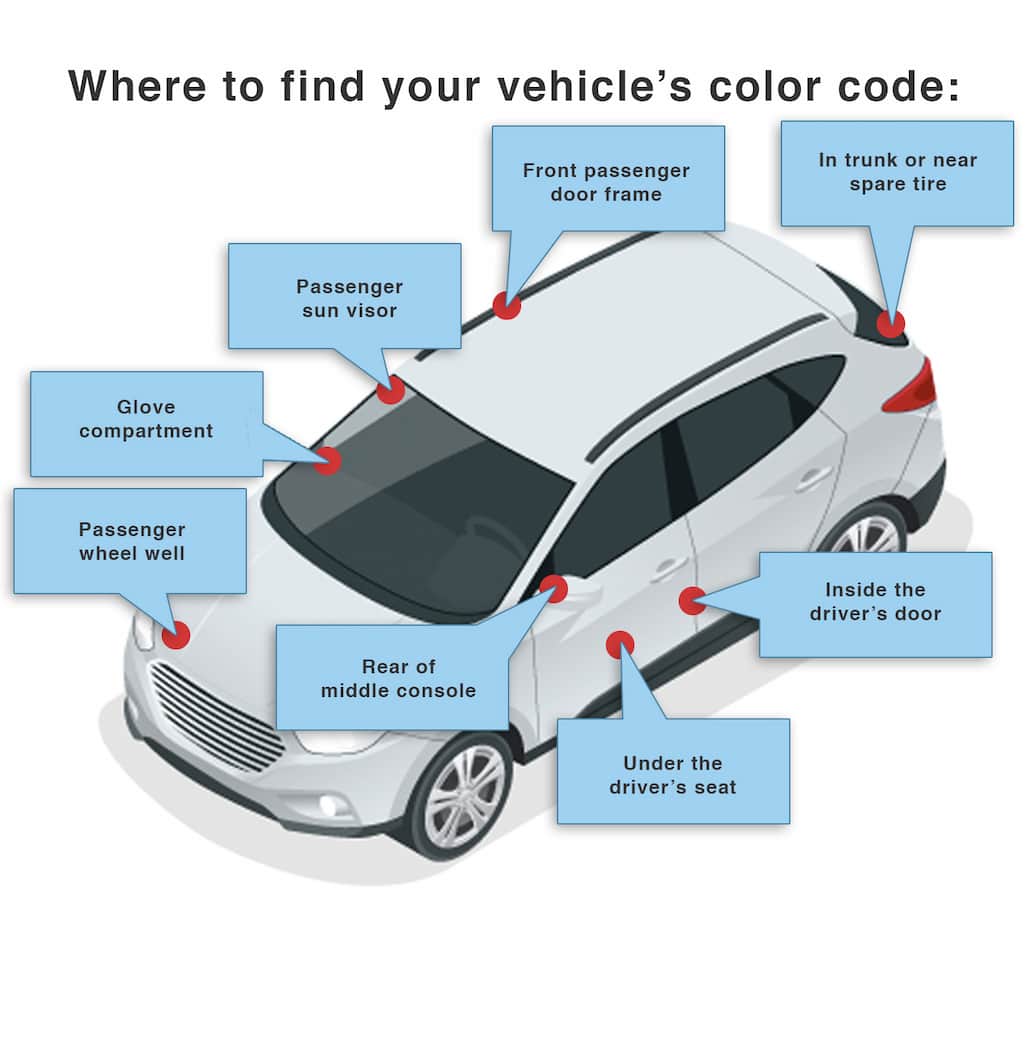
How to Find Your AMC Hornet's Color Code
AMC paint codes are hidden on top of the radiator support; engine grease and oil often make them impossible to read. Typical format is BS/GBS; only the BS portion is the color code. It can also appear as QBS, PBS, TBS, etc. The first letter is the Year Code, which makes color codes confusing. BS corresponds to Deep Water Blue Pearl Clearcoat. The G in GBS is not part of the color code. Lately AMC lists codes as BS. AMC has many two tone combos on some cars and often omitted the secondary color information.