



Cadillac Optiq Touch Up Paint (8 OEM Colors)
Search for your Optiq's color
-

Abalone White Tricoat
CadillacAbalone White Tricoat (G1W)
🔥 Ordered 4 times recently -

Radiant Red Tricoat
CadillacRadiant Red Tricoat (GNT)
🔥 Ordered 4 times recently -

Sharkskin
CadillacSharkskin (GXD)
🔥 Ordered 3 times recently -

Black Raven
CadillacBlack Raven (41C)
🔥 Ordered 1 times recently -

Nebula
CadillacNebula (GJY/WA127)
🔥 Ordered 1 times recently -

Nimbus
CadillacNimbus (G7X)
🔥 Ordered 1 times recently -

Habanero
CadillacHabanero (GAG)
-

Riptide
CadillacRiptide (GJV)
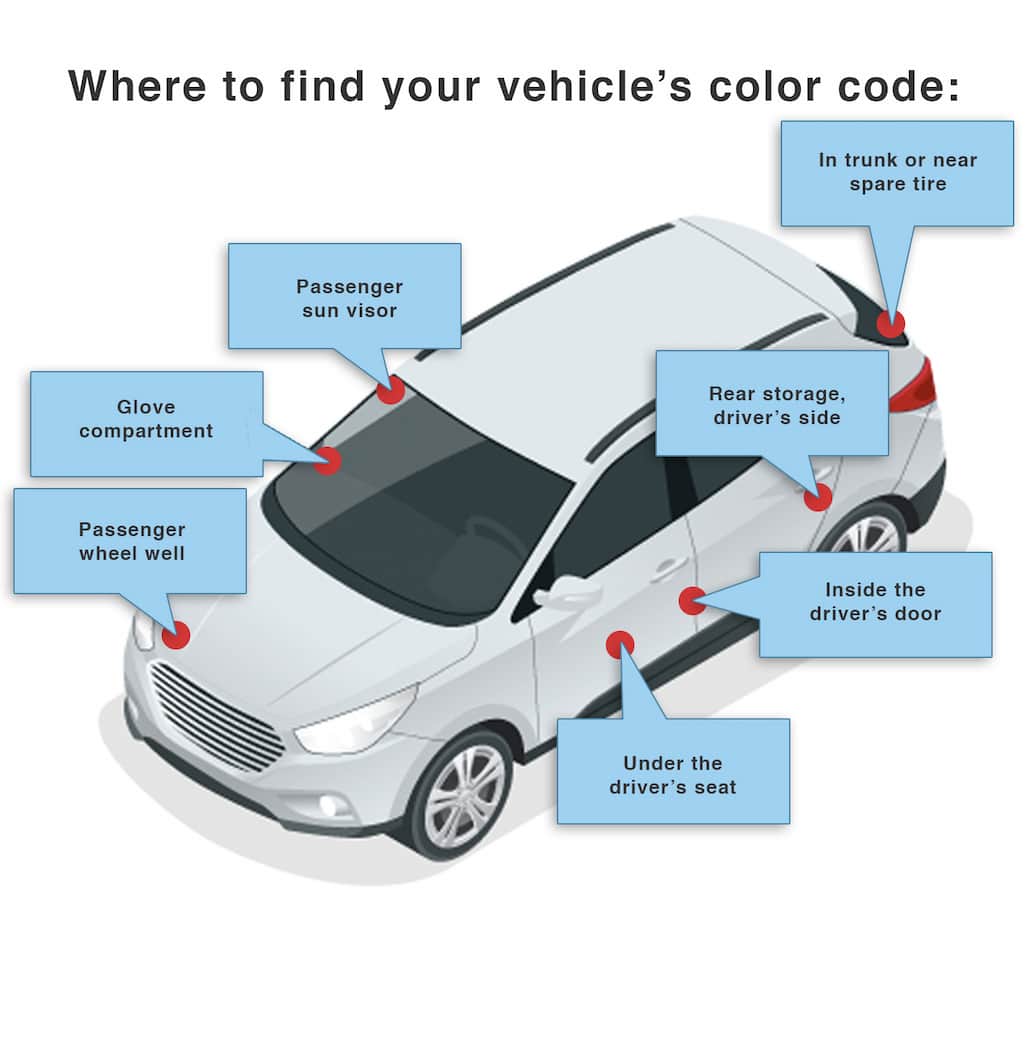
How to Find Your Cadillac Optiq's Color Code
Cadillac used many locations for paint codes, making them hard to find, often impossible. GM (parent company of Cadillac) did not standardize the plate location. Usually the code is in the glove box or the spare tire well; otherwise it may be elsewhere. The typical format is 51/WA316N, usually preceded by BC/CC (e.g., BC/CC 51 or BC/CC 316N). There are two codes in one, and a U or L may precede for Upper or Lower. Two-tone examples: BC/CC U316N or BC/CC L316N.