


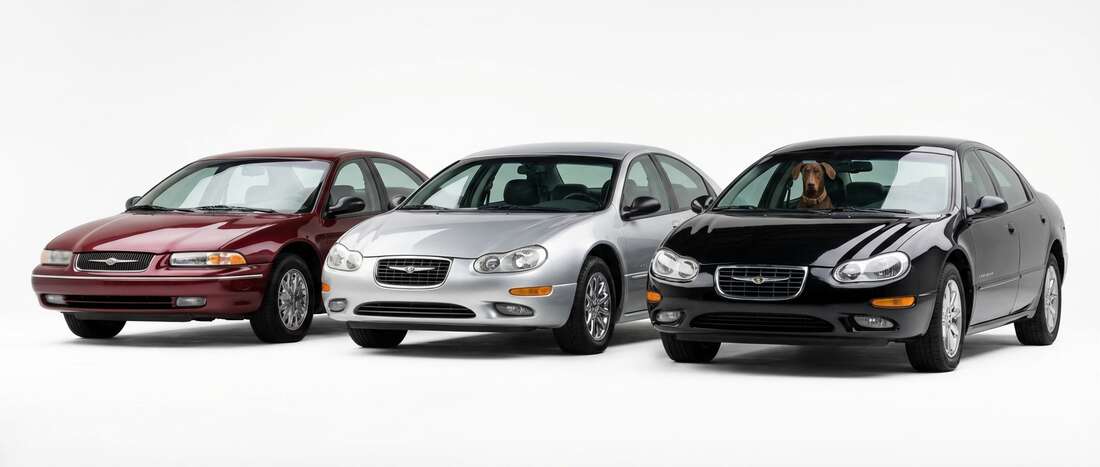
Chrysler LHS Touch Up Paint (28 OEM Colors)
Search for your LHS's color
-
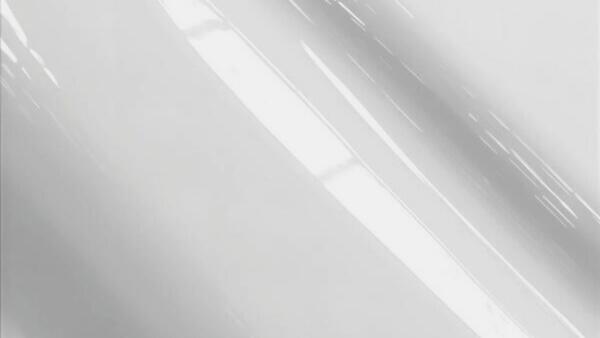
Bright Silver Metallic
ChryslerBright Silver Metallic (S2/WS2)
🔥 Ordered 3 times recently -

Maroon Pearl
ChryslerMaroon Pearl (MT/VMT)
🔥 Ordered 1 times recently -

Agate (Interior color)
ChryslerAgate (Interior color) (AZ/LAZ)
-

Black Crystal
ChryslerBlack Crystal (X8/DX8)
-
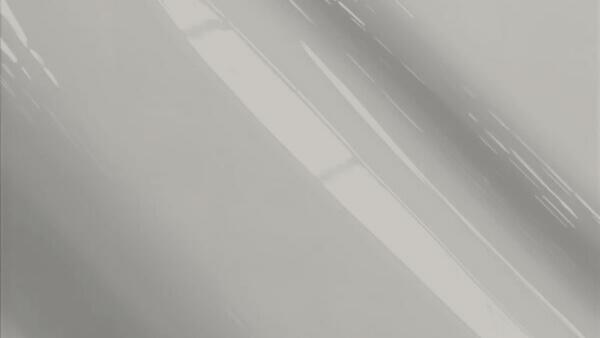
Brite Platinum Metallic
ChryslerBrite Platinum Metallic (S4/MS4)
-
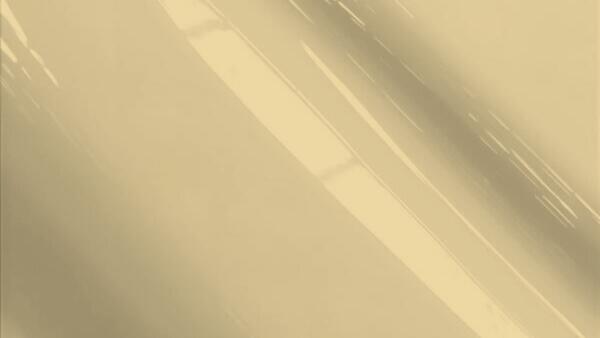
Camel (Interior color)
ChryslerCamel (Interior color) (K5/RK5)
-

Candy Apple Red Metallic Tricoat
ChryslerCandy Apple Red Metallic Tricoat (HC/RHC)
-

Candy Apple Red Pearl Tricoat
ChryslerCandy Apple Red Pearl Tricoat (H2/RH2)
-
Champagne Pearl
ChryslerChampagne Pearl (TE/VTE)
-
Cinnamon Glaze Metallic
ChryslerCinnamon Glaze Metallic (LB/VLB)
-
Dark Garnet Red Pearl
ChryslerDark Garnet Red Pearl (RV/XRV)
-

Dark Slate Pearl
ChryslerDark Slate Pearl (AW/VAW)
-

Deep Amethyst Pearl
ChryslerDeep Amethyst Pearl (CN/TCN)
-
Deep Amethyst Pearl
ChryslerDeep Amethyst Pearl (CU/TCU)
-

Deep Hunter Green Pearl
ChryslerDeep Hunter Green Pearl (G8/SG8)
-

Deep Sapphire Blue Metallic
ChryslerDeep Sapphire Blue Metallic (BW/YBW)
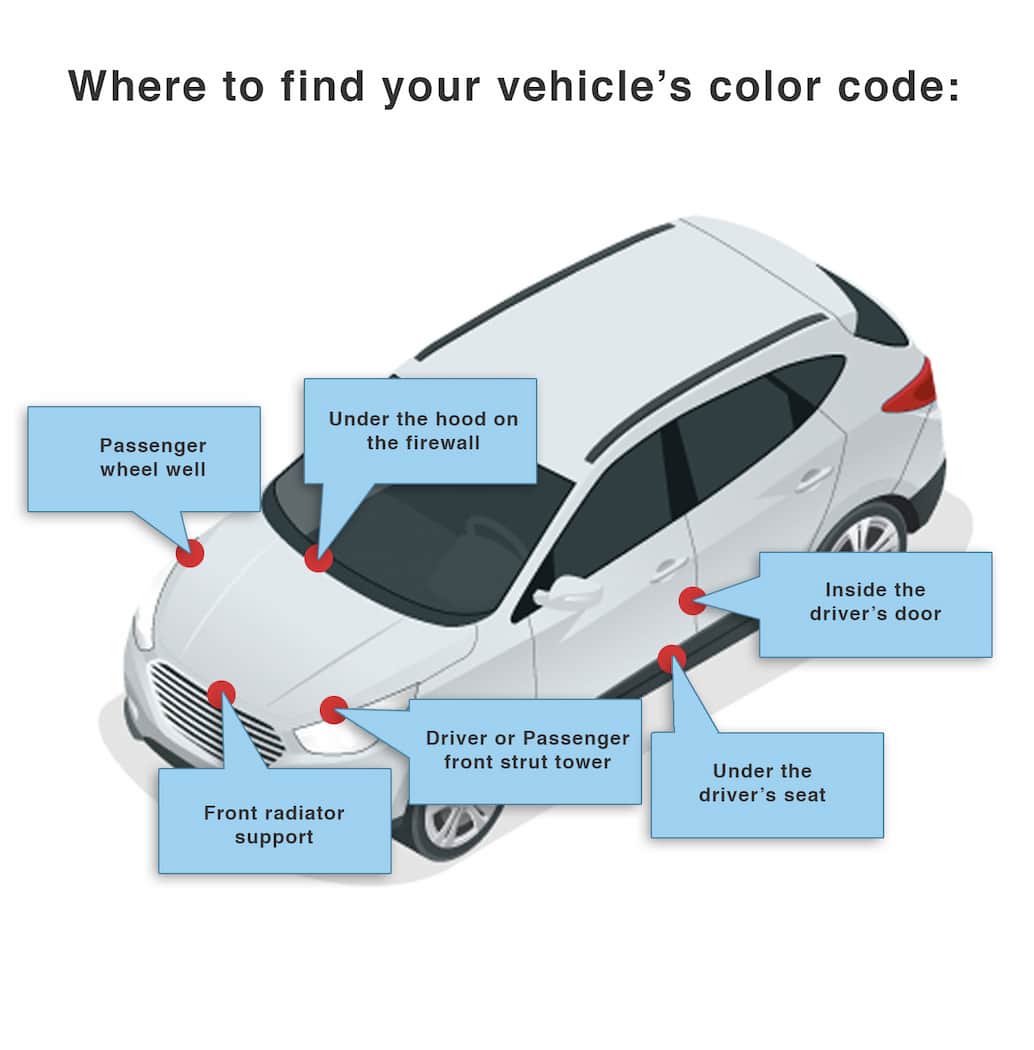
How to Find Your Chrysler LHS's Color Code
Chrysler paint codes can be difficult to find. In the good old days, they were on top of the radiator support, often hidden under engine grease and oil. Later models put them on the drivers door jamb. Typical format: BS/GBS, but only BS is the color code; it can also appear as QBS, PBS, TBS, etc., with the first letter as a confusing "Year Code." BS corresponds to Deep Water Blue Pearl Clearcoat; the G in GBS is not part of the color code.