


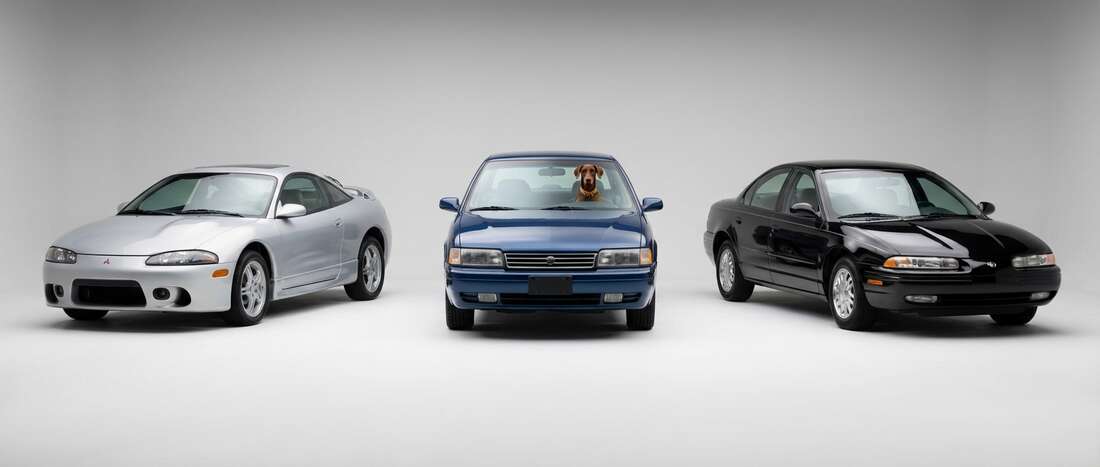
1998 Eagle Touch Up Paint (19 OEM Colors)
Search for your color
-

Polo Green Pearl
EaglePolo Green Pearl (G56/PGE)
🔥 Ordered 1 times recently -
Black
EagleBlack (X13/PX8)
-
Bright White
EagleBright White (W12/PW7)
-
Brite Platinum Metallic
EagleBrite Platinum Metallic (S4/MS4)
-
Paprika Red Pearl
EaglePaprika Red Pearl (P88/PRR)
-
Pewter Blue Pearl
EaglePewter Blue Pearl (A87/PC7)
-
Radiant Fire
EagleRadiant Fire (R87/PRB)
-
Silver Mist Pearl
EagleSilver Mist Pearl (A52/PA5)
-
Stone White
EagleStone White (W1/SW1)
-
Wild Berry Pearl Metallic
EagleWild Berry Pearl Metallic (P75/PMG)
-
Candy Apple Red Pearl
EagleCandy Apple Red Pearl (H2/RH2)
-
Champagne Pearl
EagleChampagne Pearl (TE/VTE)
-
Cinnamon Glaze Metallic
EagleCinnamon Glaze Metallic (LB/VLB)
-
Dark Plum Pearl
EagleDark Plum Pearl (P51)
-
Dark Slate Pearl
EagleDark Slate Pearl (AW/VAW)
-
Deep Amethyst Pearl
EagleDeep Amethyst Pearl (CN/TCN)

For small chips & scratches
Customized Color Paint Pen
Repair tiny chips and scratches with precision. Perfect for small nicks from rocks or door dings, the fine tip applicator makes it easy for beginners to achieve a clean, factory-quality finish.

For Medium-sized Chips & Scratches
Customized Color Paint Bottle
Tackle medium-sized scratches and chips with our Customzied Color Paint Bottle. The built-in applicator brush provides smooth, controlled coverage, while the included basecoat delivers a perfect factory match in your custom paint color.

For larger areas & panel resprays
Customized Color Spray Can
Cover larger areas with a smooth, professional finish using ourcustomized color Spray Can. Designed for hoods, fenders, and larger scratches, this product provides consistent spray coverage and factory-matched color accuracy.

For large repairs & total resprays
Customized Color Professional Size Paint
When your repair job calls for more than a touch-up, step up to our professional-size automotive paints. Available in Pint, Quart, or Gallon sizes, these paints are ready-to-spray using an airless spray gun.

For small chips & scratches
Customized Color Tricoat Paint Pens
Repair tiny chips and scratches with precision. Perfect for small nicks from rocks or door dings, the fine tip applicator makes it easy for beginners to achieve a clean, factory-quality finish. Each order includes a basecoat and a midcoat pen.

For Medium-sized Chips & Scratches
Customized Color Tricoat Paint Bottles
Tackle medium-sized scratches and chips with our Customzied Color Paint Bottles. The built-in applicator brush provides smooth, controlled coverage, while the basecoat & midcoat deliver a perfect factory match in your custom paint color.

For larger areas & panel resprays
Customized Color Tricoat Spray Cans
Cover larger areas with a smooth, professional finish using our customized color basecoat & midcoat Spray Cans. Designed for hoods, fenders, and larger scratches, this product provides consistent spray coverage and factory-matched color accuracy.
For large repairs & total resprays
Customized Color Tricoat Professional Size Paint
When your repair job calls for more than a touch-up, step up to our professional-size automotive paints. Available in Pint, Quart, or Gallon sizes, these paints are ready-to-spray using an airless spray gun. Each order includes a basecoat & a midcoat paint.
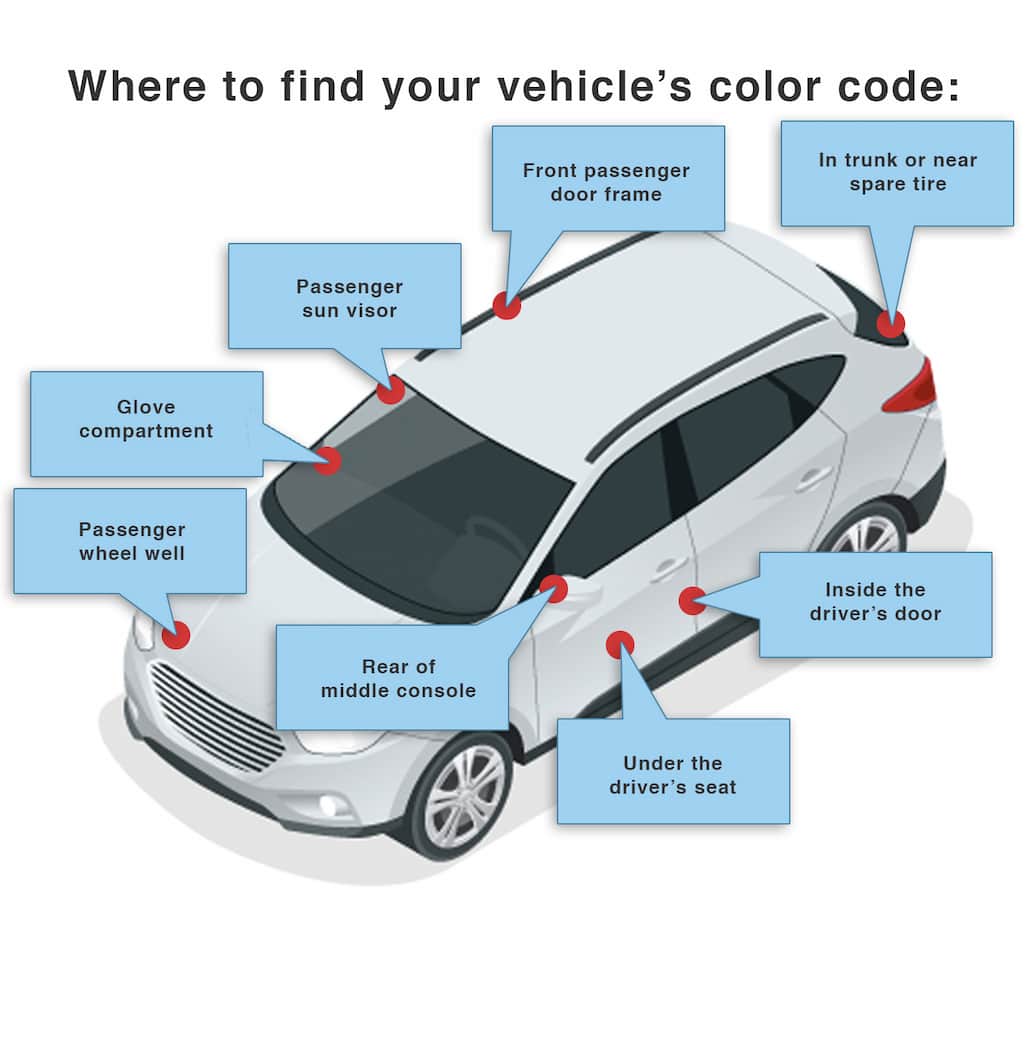
How to Find Your 1998 Eagle's Color Code
Where to find the Eagle paint color code: Determined directly by Eagle. When a color code is not present, the designated reference is the PPG or Dupont (Axalta) paint formula number. Practically, the source for the code is Eagle; lacking a code, identification proceeds by the PPG or Dupont (Axalta) formula number. This outlines that Eagle handles color codes, while PPG or Dupont (Axalta) formulas apply if a code is absent.