


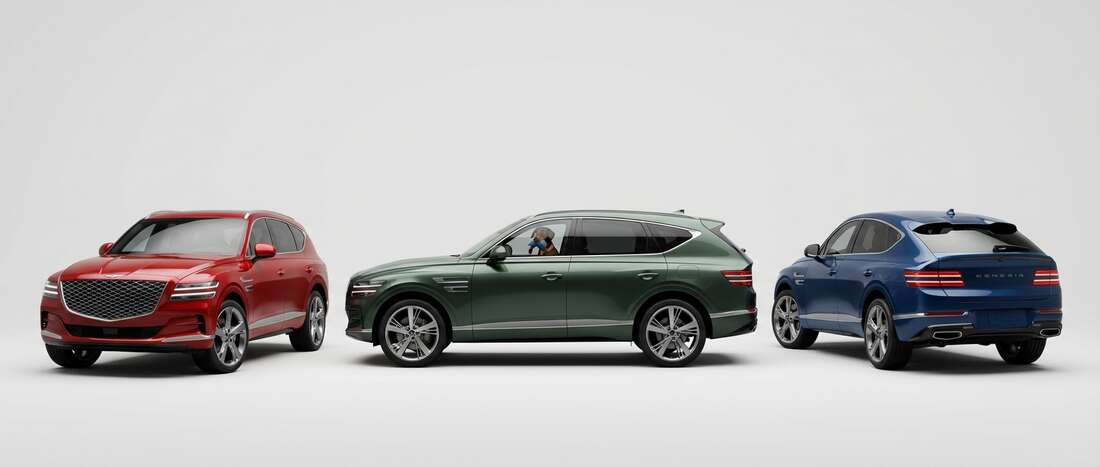
Genesis GV80 Touch Up Paint (23 OEM Colors)
Search for your GV80's color
-

Cardiff Green Pearl
GenesisCardiff Green Pearl (HT7)
🔥 Ordered 5 times recently -

Mauna Red Pearl
GenesisMauna Red Pearl (RJK)
🔥 Ordered 5 times recently -

Uyuni White Tricoat
GenesisUyuni White Tricoat (UYH)
🔥 Ordered 5 times recently -

Alta White
GenesisAlta White (WHT)
🔥 Ordered 4 times recently -

Vik Black Pearl
GenesisVik Black Pearl (PH3)
🔥 Ordered 4 times recently -

Saville Silver Metallic
GenesisSaville Silver Metallic (SSS)
🔥 Ordered 3 times recently -

Adriatic Blue
GenesisAdriatic Blue (RY5)
🔥 Ordered 2 times recently -

Capri Blue Pearl
GenesisCapri Blue Pearl (NRB)
🔥 Ordered 2 times recently -

Gold Coast Silver Metallic
GenesisGold Coast Silver Metallic (NA2)
🔥 Ordered 2 times recently -

Storr Green
GenesisStorr Green (KGN)
🔥 Ordered 2 times recently -

Astro Blue
GenesisAstro Blue (ASA)
🔥 Ordered 1 times recently -

Carbon Metal Metallic
GenesisCarbon Metal Metallic (N5M)
🔥 Ordered 1 times recently -

Makalu Gray Metallic
GenesisMakalu Gray Metallic (NCM)
🔥 Ordered 1 times recently -

Storr Green Matt
GenesisStorr Green Matt (MKG)
🔥 Ordered 1 times recently -

Barossa Burgundy Metallic
GenesisBarossa Burgundy Metallic (BJM)
-

Barossa Burgundy Pearl
GenesisBarossa Burgundy Pearl (BJK)
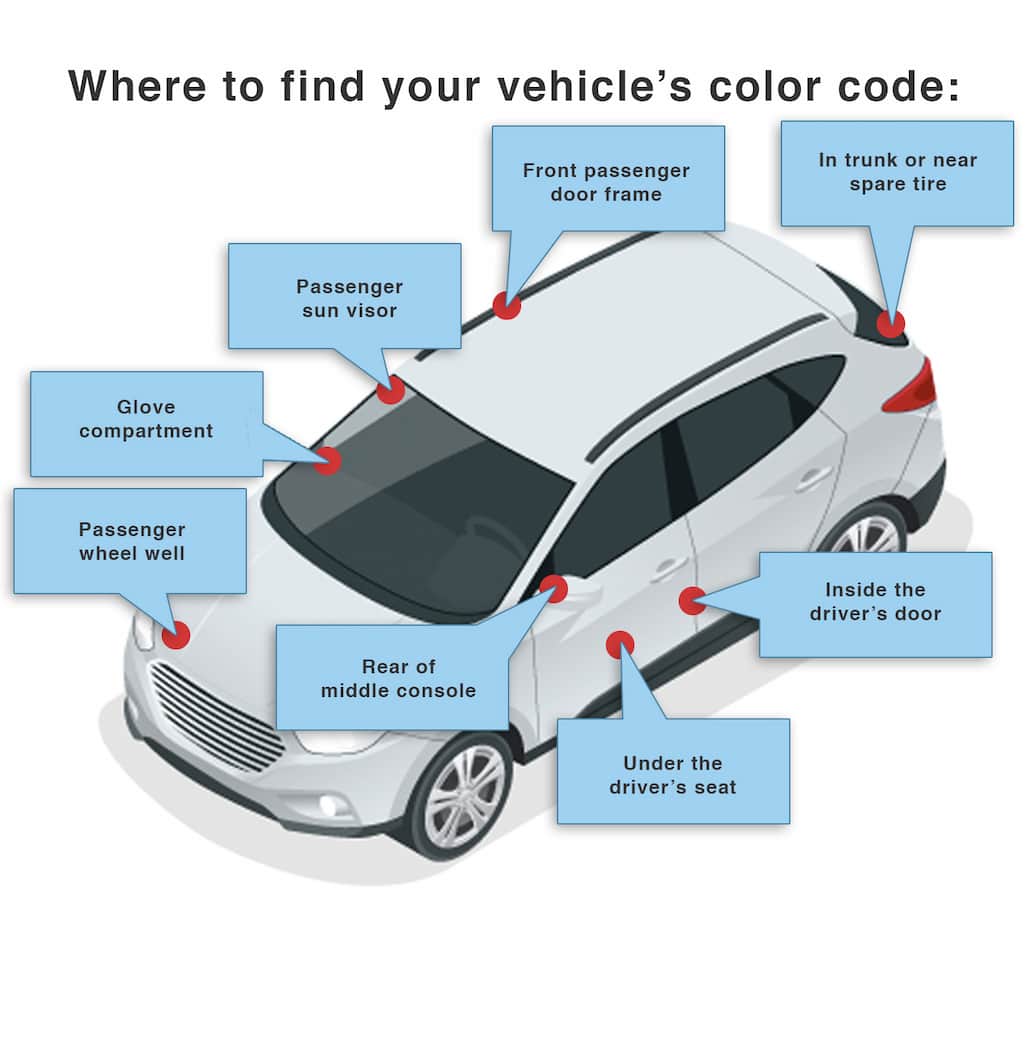
How to Find Your Genesis GV80's Color Code
Genesis codes are relatively easy to find as they are normally on the drivers door jamb, which is the usual location. Some Hyundai models do manage to hide their color codes in the engine compartment, so if it is not on the drivers door jamb, finding it can be tougher. The typical color code format is: 3E, which corresponds to: Blue Onyx Metallic Clearcoat. Some later Hyundais use a three character code.