


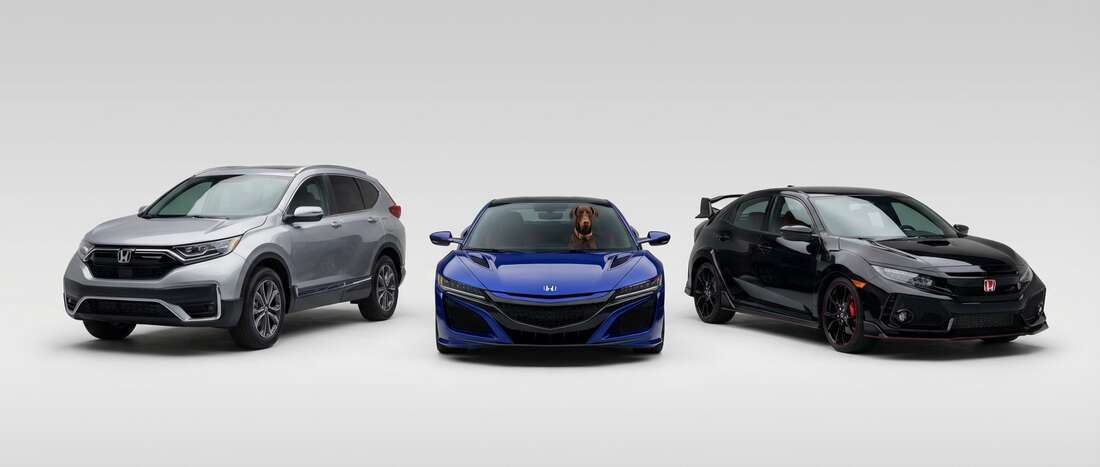
1997 Honda Touch Up Paint (36 OEM Colors)
Search for your color
-
Taffeta White
HondaTaffeta White (NH-578)
🔥 Ordered 18 times recently -

Milano Red
HondaMilano Red (R-81)
🔥 Ordered 8 times recently -

San Marino Red
HondaSan Marino Red (R-94)
🔥 Ordered 7 times recently -
Vogue Silver Metallic
HondaVogue Silver Metallic (NH-583M)
🔥 Ordered 3 times recently -
Frost White
HondaFrost White (NH-538)
🔥 Ordered 2 times recently -
Sebring Silver Metallic
HondaSebring Silver Metallic (NH-552M)
🔥 Ordered 2 times recently -

Cyclone (Grayish) Blue Metallic
HondaCyclone (Grayish) Blue Metallic (B-73M)
🔥 Ordered 1 times recently -

Cypress Green Pearl
HondaCypress Green Pearl (G-82P)
🔥 Ordered 1 times recently -

Heather Mist Metallic
HondaHeather Mist Metallic (YR-508M)
🔥 Ordered 1 times recently -

Adriatic Blue Pri Metallic
HondaAdriatic Blue Pri Metallic (B-74P)
-

Athlete Grey Metallic
HondaAthlete Grey Metallic (NH-611M)
-

Black (Dark) Currant Pearl
HondaBlack (Dark) Currant Pearl (RP-25P)
-

Bordeaux Red Pearl
HondaBordeaux Red Pearl (R-78P)
-
Champion White
HondaChampion White (NHO)
-

Claret Red Pearl
HondaClaret Red Pearl (731/R409)
-
Cream White
HondaCream White (752/W101)

For small chips & scratches
Customized Color Paint Pen
Repair tiny chips and scratches with precision. Perfect for small nicks from rocks or door dings, the fine tip applicator makes it easy for beginners to achieve a clean, factory-quality finish.

For Medium-sized Chips & Scratches
Customized Color Paint Bottle
Tackle medium-sized scratches and chips with our Customzied Color Paint Bottle. The built-in applicator brush provides smooth, controlled coverage, while the included basecoat delivers a perfect factory match in your custom paint color.

For larger areas & panel resprays
Customized Color Spray Can
Cover larger areas with a smooth, professional finish using ourcustomized color Spray Can. Designed for hoods, fenders, and larger scratches, this product provides consistent spray coverage and factory-matched color accuracy.

For large repairs & total resprays
Customized Color Professional Size Paint
When your repair job calls for more than a touch-up, step up to our professional-size automotive paints. Available in Pint, Quart, or Gallon sizes, these paints are ready-to-spray using an airless spray gun.

For small chips & scratches
Customized Color Tricoat Paint Pens
Repair tiny chips and scratches with precision. Perfect for small nicks from rocks or door dings, the fine tip applicator makes it easy for beginners to achieve a clean, factory-quality finish. Each order includes a basecoat and a midcoat pen.

For Medium-sized Chips & Scratches
Customized Color Tricoat Paint Bottles
Tackle medium-sized scratches and chips with our Customzied Color Paint Bottles. The built-in applicator brush provides smooth, controlled coverage, while the basecoat & midcoat deliver a perfect factory match in your custom paint color.

For larger areas & panel resprays
Customized Color Tricoat Spray Cans
Cover larger areas with a smooth, professional finish using our customized color basecoat & midcoat Spray Cans. Designed for hoods, fenders, and larger scratches, this product provides consistent spray coverage and factory-matched color accuracy.
For large repairs & total resprays
Customized Color Tricoat Professional Size Paint
When your repair job calls for more than a touch-up, step up to our professional-size automotive paints. Available in Pint, Quart, or Gallon sizes, these paints are ready-to-spray using an airless spray gun. Each order includes a basecoat & a midcoat paint.
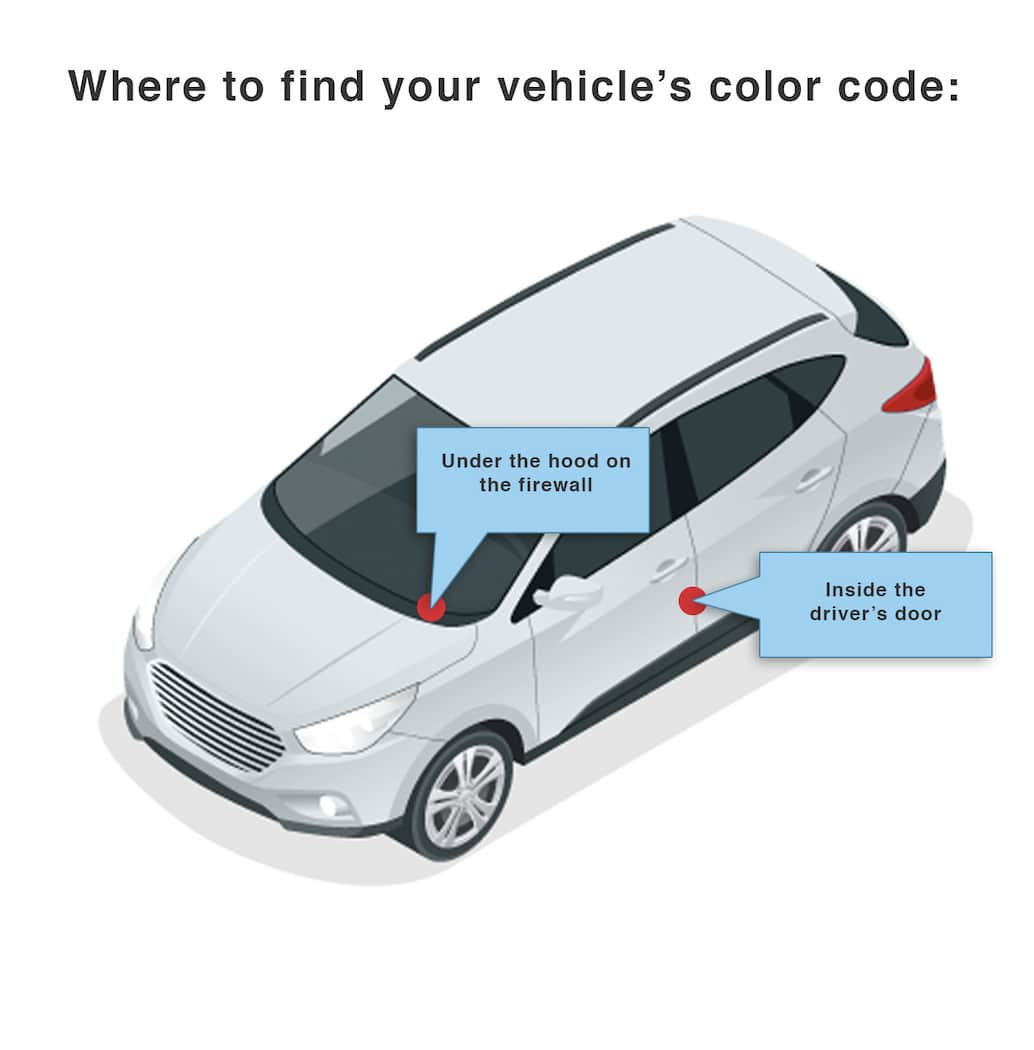
How to Find Your 1997 Honda's Color Code
Honda paint codes are usually on the driver-side door jamb label, on a color ID tag that often lists the paint and factory codes. The factory code appears in the lower right corner and is the eleventh digit of the VIN. Paint codes look like NH-583M and may include letters, numbers, and dashes. Example: factory code B pairs with NH583M, corresponding to Vogue Silver Metallic Clearcoat used on some Civics, Delsols, and Preludes between 1996 and 2000.