


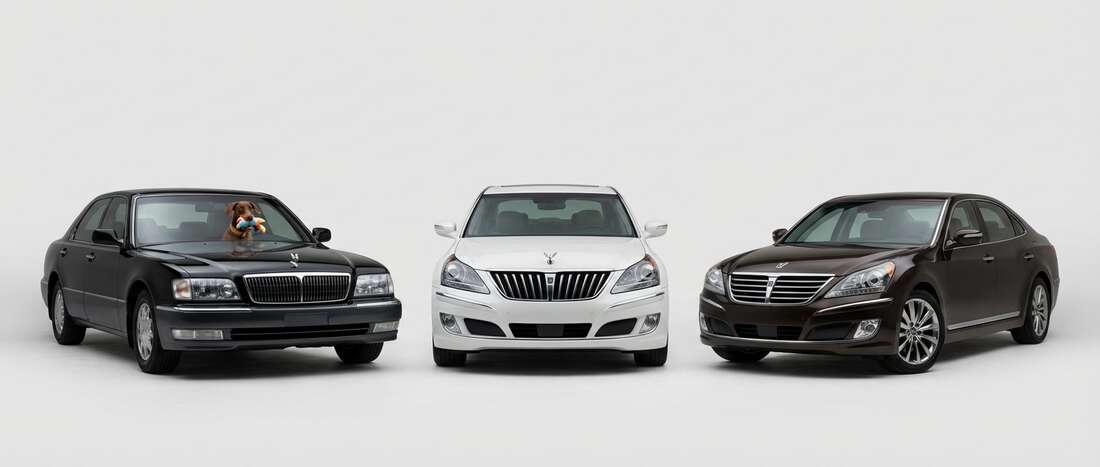
Hyundai Equus Touch Up Paint (25 OEM Colors)
Search for your Equus's color
-

Phantom Black Pearl
HyundaiPhantom Black Pearl (AF/S3B/S3/S5B)
🔥 Ordered 6 times recently -

Marble White Pearl Tricoat
HyundaiMarble White Pearl Tricoat (YW6/MW)
🔥 Ordered 2 times recently -

Sterling Silver Metallic
HyundaiSterling Silver Metallic (AU)
🔥 Ordered 2 times recently -

Platinum Silver Metallic
HyundaiPlatinum Silver Metallic (Y6S/YS)
🔥 Ordered 1 times recently -

Shimmering Silver Metallic
HyundaiShimmering Silver Metallic (N3S)
🔥 Ordered 1 times recently -

Titanium Gray Metallic
HyundaiTitanium Gray Metallic (N5S)
🔥 Ordered 1 times recently -

White Frost Tricoat
HyundaiWhite Frost Tricoat (AT)
🔥 Ordered 1 times recently -

Atlantic Blue Pearl
HyundaiAtlantic Blue Pearl (S7U)
-

Dark Gray Metallic (cladding)
HyundaiDark Gray Metallic (cladding) (ZW)
-

Granite Gray Metallic
HyundaiGranite Gray Metallic (GOD)
-

Hyper Silver Metallic
HyundaiHyper Silver Metallic (NY)
-

Kona Black Pearl Metallic
HyundaiKona Black Pearl Metallic (VB2)
-
Marble White Pearl Tricoat
HyundaiMarble White Pearl Tricoat (YW6)
-

Onyx Black Pearl
HyundaiOnyx Black Pearl (YB6)
-
Onyx Black Pearl
HyundaiOnyx Black Pearl (YB6/YB)
-

Pewter Gray Metallic
HyundaiPewter Gray Metallic (V7S)
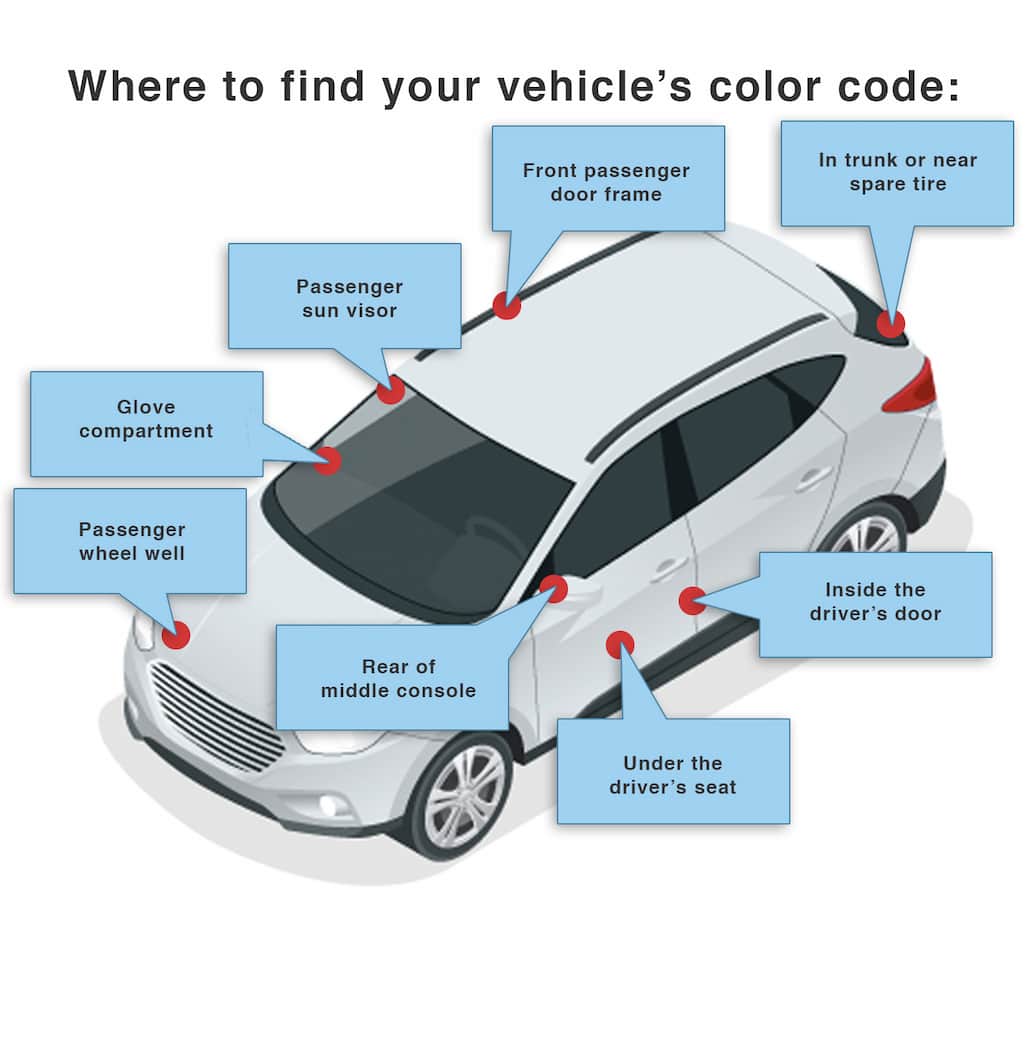
How to Find Your Hyundai Equus's Color Code
Hyundai paint codes are normally on the drivers door jamb; some models hide the color code in the engine compartment. Typical format: 3E which corresponds to: Blue Onyx Metallic Clearcoat. Some later Hyundais use a three character code. A paint can be S3; this is actually the same as S3B. Same color code, different name: the same paint may be used across models, e.g., 3E as Blue Onyx Metallic Clearcoat, Blue Clearcoat, or Ocean Blue Clearcoat.