


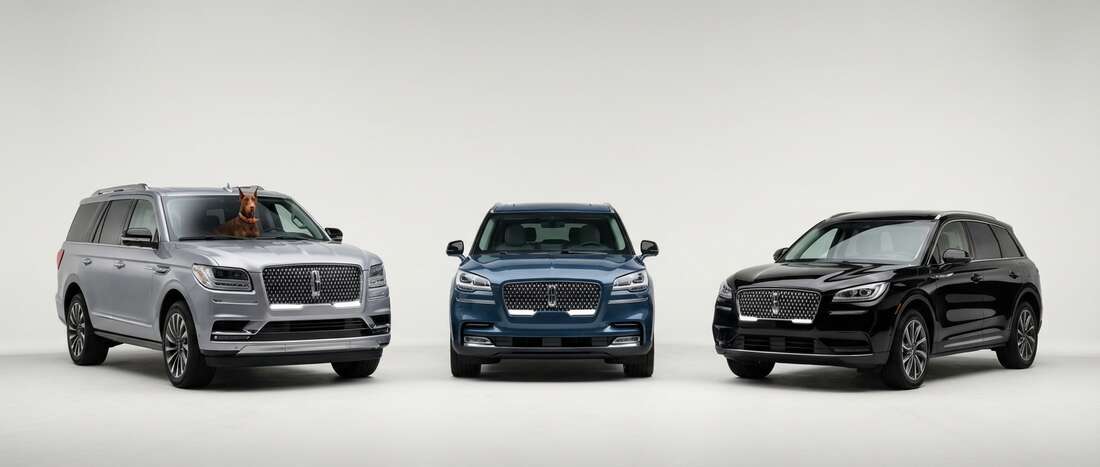
2026 Lincoln Touch Up Paint (17 OEM Colors)
Search for your color
-
Pristine White Tricoat
LincolnPristine White Tricoat (AZ)
🔥 Ordered 5 times recently -

Whisper Blue
LincolnWhisper Blue (K1)
🔥 Ordered 3 times recently -
White Platinum Tricoat
LincolnWhite Platinum Tricoat (UG)
🔥 Ordered 3 times recently -

Chroma Caviar Pearl
LincolnChroma Caviar Pearl (XF)
🔥 Ordered 2 times recently -

Agate Black Metallic
LincolnAgate Black Metallic (UM)
🔥 Ordered 1 times recently -

Diamond Red Tricoat
LincolnDiamond Red Tricoat (C9)
🔥 Ordered 1 times recently -
Iconic Silver Metallic
LincolnIconic Silver Metallic (JS)
🔥 Ordered 1 times recently -

Lucid Red Pearl Tricoat
LincolnLucid Red Pearl Tricoat (D4)
🔥 Ordered 1 times recently -
Carbonized Gray Metallic
LincolnCarbonized Gray Metallic (M7)
-

Midnight Blue
LincolnMidnight Blue (C8)
-

Monterey Metallic
LincolnMonterey Metallic (T9)
-

Cenote Green
LincolnCenote Green (CF)
-

Dark Matter Gray
LincolnDark Matter Gray (HY)
-

Glacier Gray Tricoat
LincolnGlacier Gray Tricoat (R7)
-
Lustrous Gray
LincolnLustrous Gray (KQS)
-
Pastel Adobe
LincolnPastel Adobe (A3)

For small chips & scratches
Customized Color Paint Pen
Repair tiny chips and scratches with precision. Perfect for small nicks from rocks or door dings, the fine tip applicator makes it easy for beginners to achieve a clean, factory-quality finish.

For Medium-sized Chips & Scratches
Customized Color Paint Bottle
Tackle medium-sized scratches and chips with our Customzied Color Paint Bottle. The built-in applicator brush provides smooth, controlled coverage, while the included basecoat delivers a perfect factory match in your custom paint color.

For larger areas & panel resprays
Customized Color Spray Can
Cover larger areas with a smooth, professional finish using ourcustomized color Spray Can. Designed for hoods, fenders, and larger scratches, this product provides consistent spray coverage and factory-matched color accuracy.

For large repairs & total resprays
Customized Color Professional Size Paint
When your repair job calls for more than a touch-up, step up to our professional-size automotive paints. Available in Pint, Quart, or Gallon sizes, these paints are ready-to-spray using an airless spray gun.

For small chips & scratches
Customized Color Tricoat Paint Pens
Repair tiny chips and scratches with precision. Perfect for small nicks from rocks or door dings, the fine tip applicator makes it easy for beginners to achieve a clean, factory-quality finish. Each order includes a basecoat and a midcoat pen.

For Medium-sized Chips & Scratches
Customized Color Tricoat Paint Bottles
Tackle medium-sized scratches and chips with our Customzied Color Paint Bottles. The built-in applicator brush provides smooth, controlled coverage, while the basecoat & midcoat deliver a perfect factory match in your custom paint color.

For larger areas & panel resprays
Customized Color Tricoat Spray Cans
Cover larger areas with a smooth, professional finish using our customized color basecoat & midcoat Spray Cans. Designed for hoods, fenders, and larger scratches, this product provides consistent spray coverage and factory-matched color accuracy.
For large repairs & total resprays
Customized Color Tricoat Professional Size Paint
When your repair job calls for more than a touch-up, step up to our professional-size automotive paints. Available in Pint, Quart, or Gallon sizes, these paints are ready-to-spray using an airless spray gun. Each order includes a basecoat & a midcoat paint.
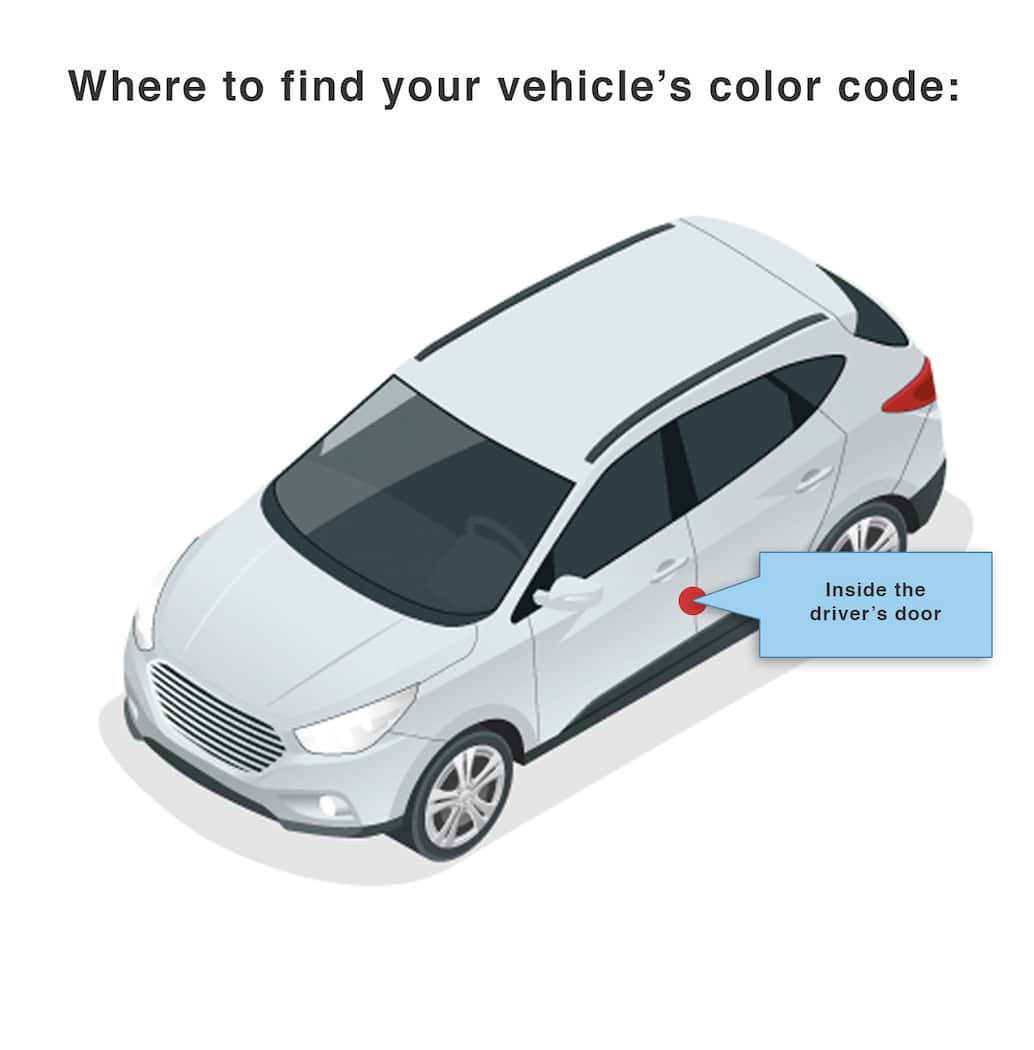
How to Find Your 2026 Lincoln's Color Code
Lincoln color codes are always on the drivers door jamb. On the color plate, EX PT (for Exterior Paint) appears, with the paint code located above or below; sometimes the actual color is embossed on the plate and not where expected. Typical format: WT/M6640, though M6640 is rarely shown and typically only WT appears. WT corresponds to Performance White Clearcoat. Pre 1970 Lincolns can be problematic due to same names with different codes.