


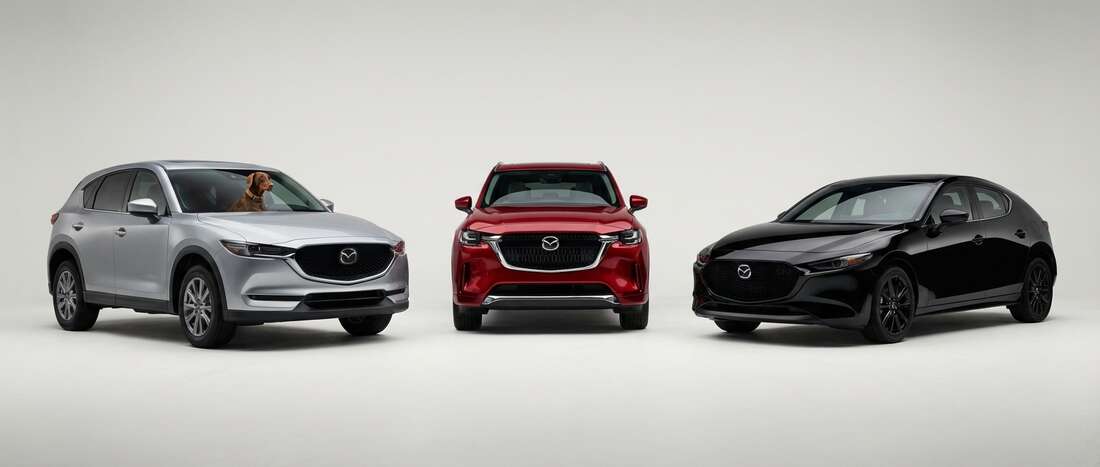
2003 Mazda Touch Up Paint (58 OEM Colors)
Search for your color
-
Snowflake Pearl Tricoat
MazdaSnowflake Pearl Tricoat (25D)
🔥 Ordered 12 times recently -
Sunlight Silver Metallic
MazdaSunlight Silver Metallic (22V)
🔥 Ordered 4 times recently -

Brilliant Black
MazdaBrilliant Black (A3F)
🔥 Ordered 2 times recently -

Garnet Red Pearl Metallic
MazdaGarnet Red Pearl Metallic (25F)
🔥 Ordered 2 times recently -
Titanium Gray Metallic
MazdaTitanium Gray Metallic (25G)
🔥 Ordered 2 times recently -
Black Pearl
MazdaBlack Pearl (16W)
🔥 Ordered 1 times recently -

Grace Green Pearl
MazdaGrace Green Pearl (18J)
🔥 Ordered 1 times recently -
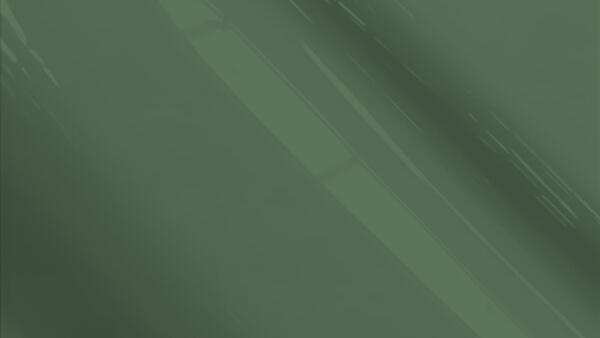
Nordic Green Mica
MazdaNordic Green Mica (27C)
🔥 Ordered 1 times recently -
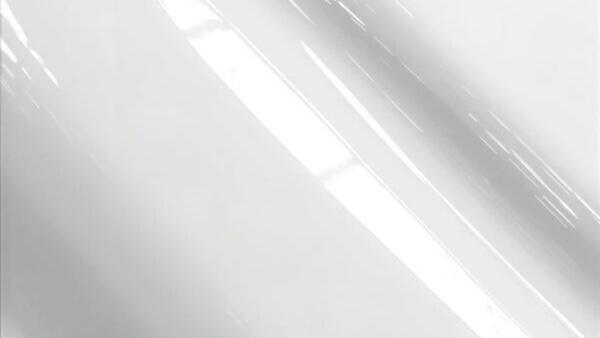
Pure White
MazdaPure White (A3D)
🔥 Ordered 1 times recently -
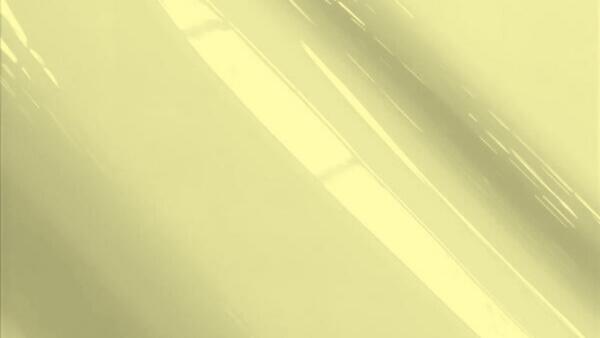
Arizona Beige Metallic
MazdaArizona Beige Metallic (AQ)
-

Black Onyx
MazdaBlack Onyx (NN)
-
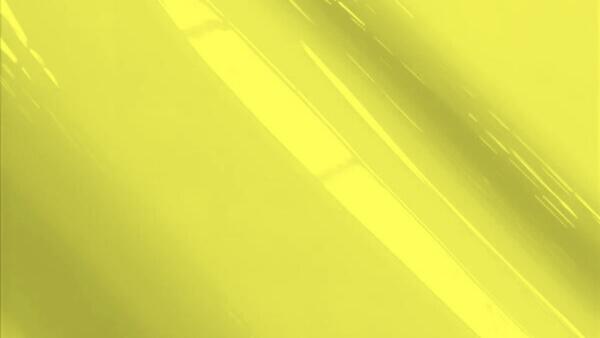
Blazing Yellow Mica Metallic Tricoat
MazdaBlazing Yellow Mica Metallic Tricoat (26S)
-
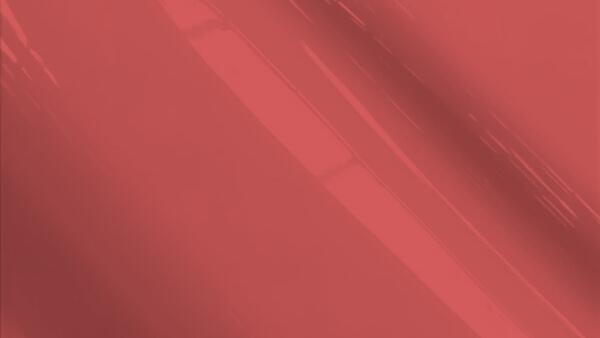
Bright Red
MazdaBright Red (E4/UD)
-
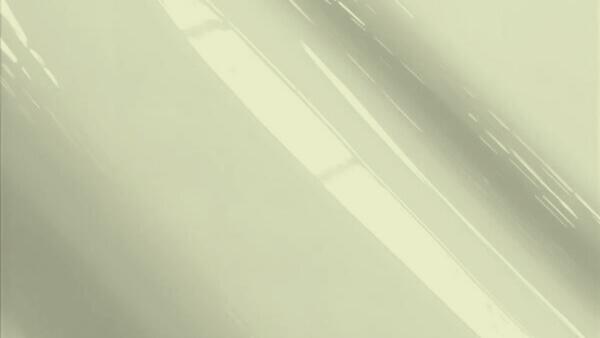
Champagne Silver Pearl
MazdaChampagne Silver Pearl (4F)
-
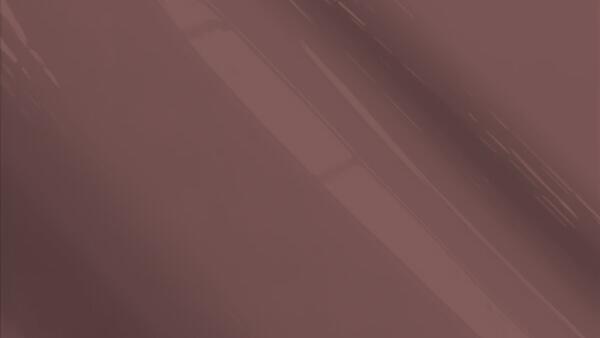
Chestnut Metallic
MazdaChestnut Metallic (B4/19X)
-
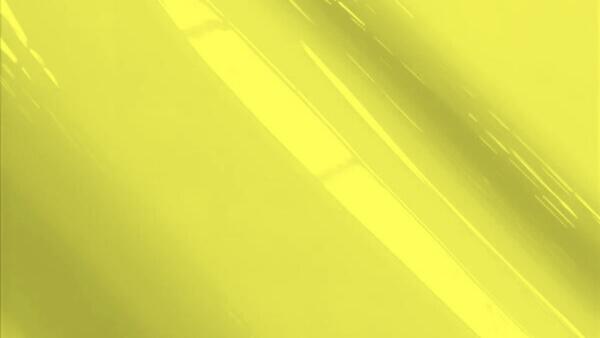
Chrome Yellow
MazdaChrome Yellow (BZ/21T)

For small chips & scratches
Customized Color Paint Pen
Repair tiny chips and scratches with precision. Perfect for small nicks from rocks or door dings, the fine tip applicator makes it easy for beginners to achieve a clean, factory-quality finish.

For Medium-sized Chips & Scratches
Customized Color Paint Bottle
Tackle medium-sized scratches and chips with our Customzied Color Paint Bottle. The built-in applicator brush provides smooth, controlled coverage, while the included basecoat delivers a perfect factory match in your custom paint color.

For larger areas & panel resprays
Customized Color Spray Can
Cover larger areas with a smooth, professional finish using ourcustomized color Spray Can. Designed for hoods, fenders, and larger scratches, this product provides consistent spray coverage and factory-matched color accuracy.

For large repairs & total resprays
Customized Color Professional Size Paint
When your repair job calls for more than a touch-up, step up to our professional-size automotive paints. Available in Pint, Quart, or Gallon sizes, these paints are ready-to-spray using an airless spray gun.

For small chips & scratches
Customized Color Tricoat Paint Pens
Repair tiny chips and scratches with precision. Perfect for small nicks from rocks or door dings, the fine tip applicator makes it easy for beginners to achieve a clean, factory-quality finish. Each order includes a basecoat and a midcoat pen.

For Medium-sized Chips & Scratches
Customized Color Tricoat Paint Bottles
Tackle medium-sized scratches and chips with our Customzied Color Paint Bottles. The built-in applicator brush provides smooth, controlled coverage, while the basecoat & midcoat deliver a perfect factory match in your custom paint color.

For larger areas & panel resprays
Customized Color Tricoat Spray Cans
Cover larger areas with a smooth, professional finish using our customized color basecoat & midcoat Spray Cans. Designed for hoods, fenders, and larger scratches, this product provides consistent spray coverage and factory-matched color accuracy.
For large repairs & total resprays
Customized Color Tricoat Professional Size Paint
When your repair job calls for more than a touch-up, step up to our professional-size automotive paints. Available in Pint, Quart, or Gallon sizes, these paints are ready-to-spray using an airless spray gun. Each order includes a basecoat & a midcoat paint.
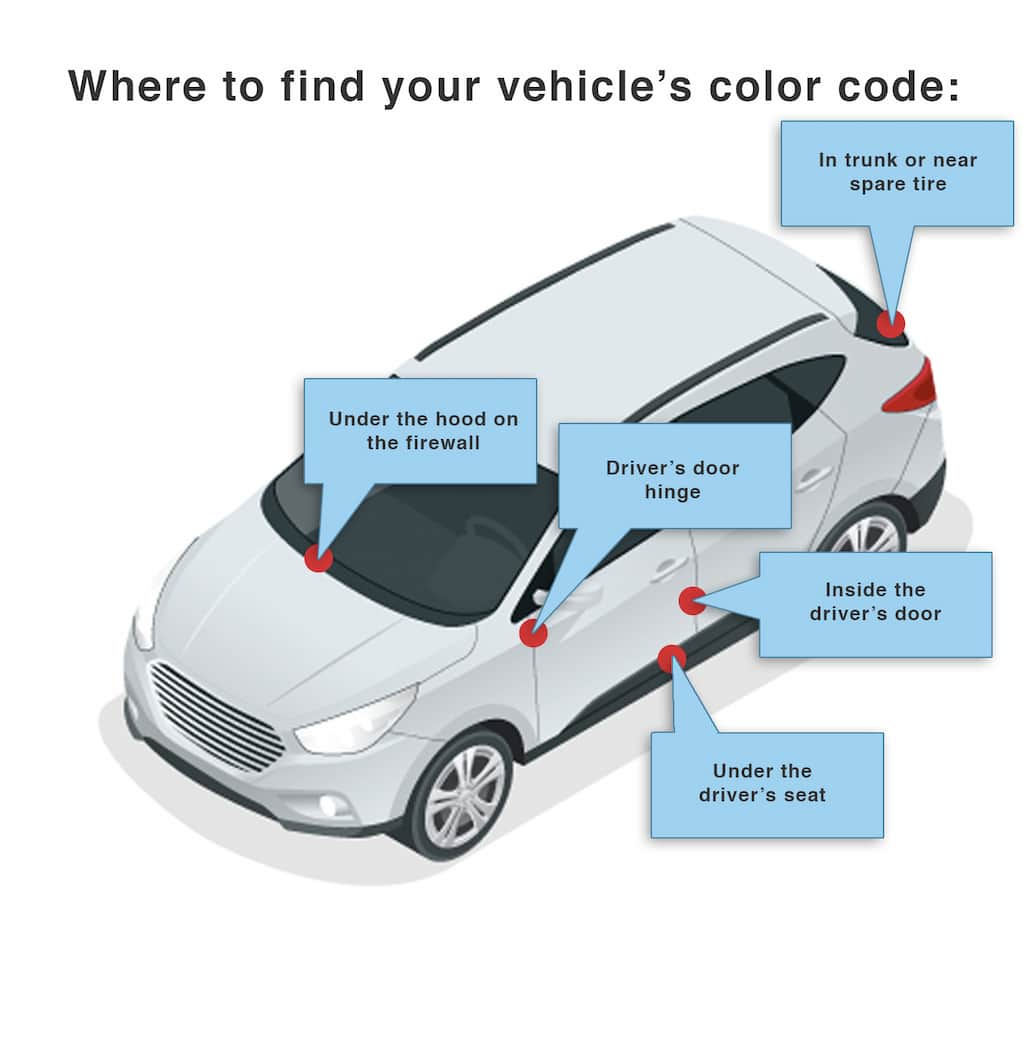
How to Find Your 2003 Mazda's Color Code
Mazda color codes are normally on the drivers door jamb; some models hide them in the engine compartment. If not on the drivers door jamb, finding the code may take extra work. Codes are typically two or three digits, made of numbers and letters. Example: 21R. 21R is called Moonlight Gray Metallic Clearcoat in one naming, Grey Clearcoat by another name, or Moonstone Clearcoat by another name. Marketing may change the color name.