


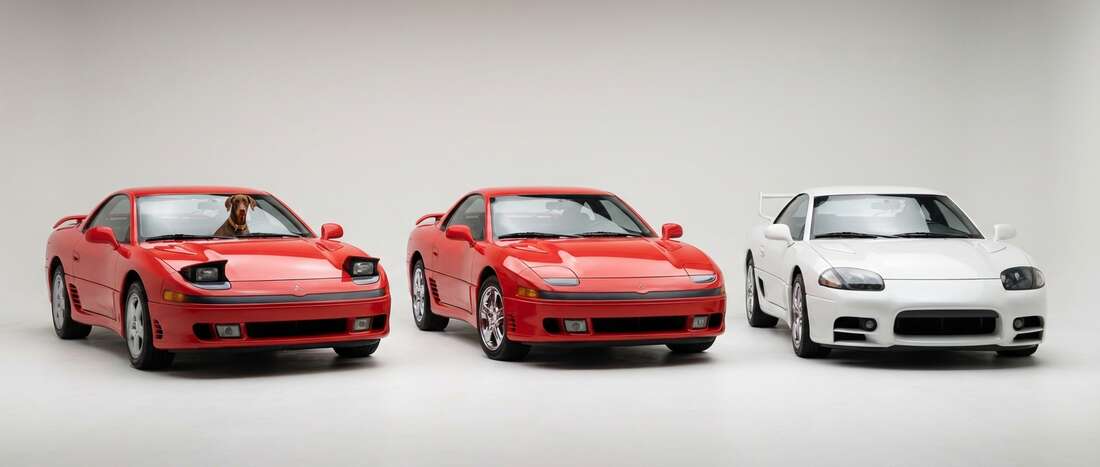
Mitsubishi 3000GT Touch Up Paint (24 OEM Colors)
Search for your 3000GT's color
-
Galaxy White Pearl Tricoat
MitsubishiGalaxy White Pearl Tricoat (W75)
🔥 Ordered 1 times recently -
Grace Silver Metallic
MitsubishiGrace Silver Metallic (H84)
🔥 Ordered 1 times recently -

Passion Red
MitsubishiPassion Red (R71)
🔥 Ordered 1 times recently -

Bright Blue Pearl
MitsubishiBright Blue Pearl (T73)
-
Corse Gray Metallic
MitsubishiCorse Gray Metallic (H89)
-

Dark Grey (matt)
MitsubishiDark Grey (matt) (A24)
-

Fiji Blue Metallic
MitsubishiFiji Blue Metallic (T87)
-
Gentile Silver Metallic
MitsubishiGentile Silver Metallic (H28)
-

Kilder Green Pearl
MitsubishiKilder Green Pearl (G84)
-

Lamp Black
MitsubishiLamp Black (X63)
-
Lamp Black
MitsubishiLamp Black (X94)
-

Mariana Blue Pearl
MitsubishiMariana Blue Pearl (B34)
-
Misty White Pearl Tri-coat
MitsubishiMisty White Pearl Tri-coat (W29)
-

Monza Red
MitsubishiMonza Red (R38)
-

Morocco Red Pearl
MitsubishiMorocco Red Pearl (R25)
-

Olive Pearl
MitsubishiOlive Pearl (L79)
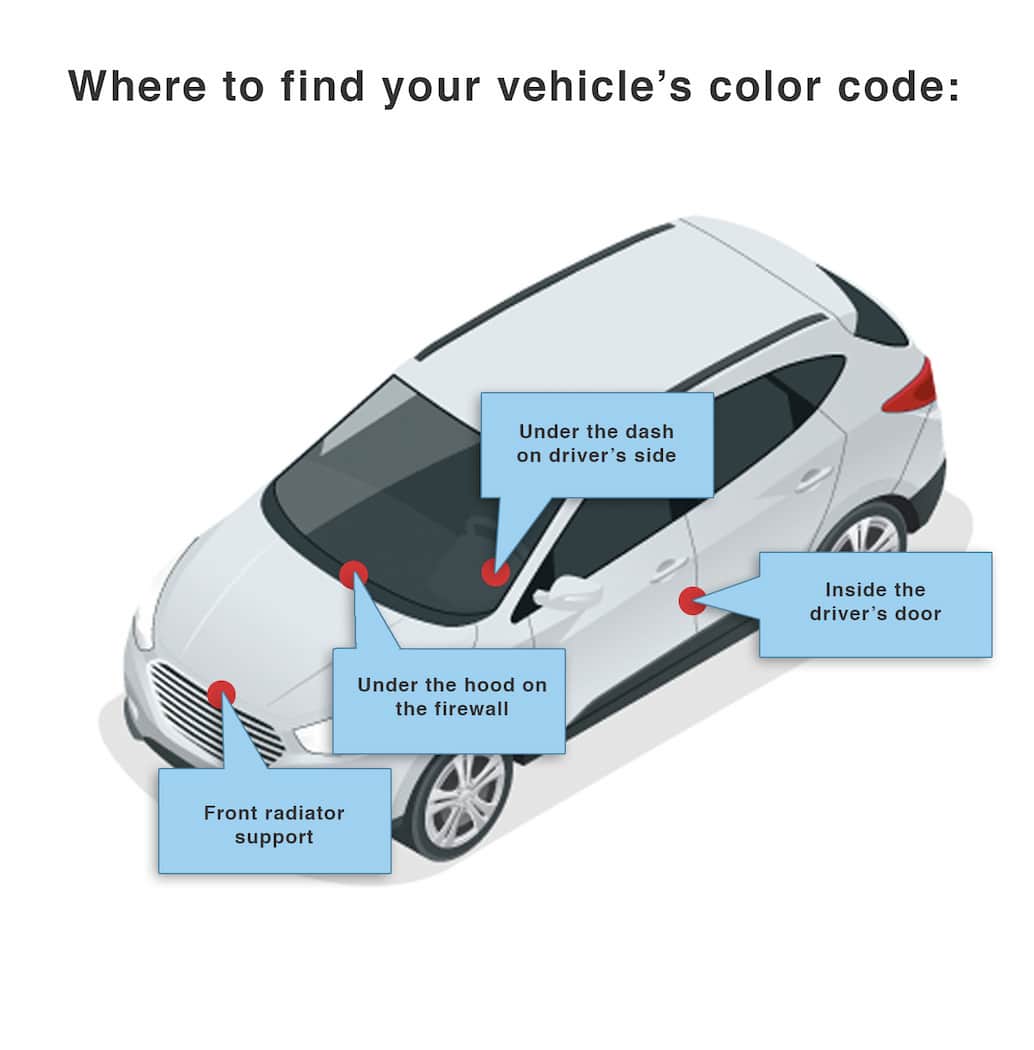
How to Find Your Mitsubishi 3000GT's Color Code
Mitsubishi paint codes are on a tag in the firewall area of the car, not on an exterior panel. The color code sits at the bottom mid-left part of that tag. Codes include letters, dashes, and numbers. The code R71 corresponds to Passion Red Clearcoat. R71 may be called Passion Red Clearcoat on some models. R71 may be called Red Clearcoat or Speed Red Clearcoat on others. Model marketing names can vary even for the same code.