Packard All Models Paint Info
The Color Breakdown
Packard didn't just make cars; they made rolling statements of American luxury. While our records keep things focused with a single, elegant entry like Ivory, don't let the simplicity fool you. This isn't just "white"-it's a creamy, sophisticated shade that graced everything from the stately Eight to the iconic Caribbean. It's the kind of color that looks just as good at a black-tie gala as it does sitting in your driveway.
What to Watch For
The biggest hurdle with vintage Packard paint is what we call "crazing." Over the decades, that thick original finish can develop tiny spiderweb cracks that look like a dry lake bed. If you see these, don't panic-it's just the paint showing its age. You'll also want to check for yellowing, as older Ivory finishes can pick up a "butter" tint over time.
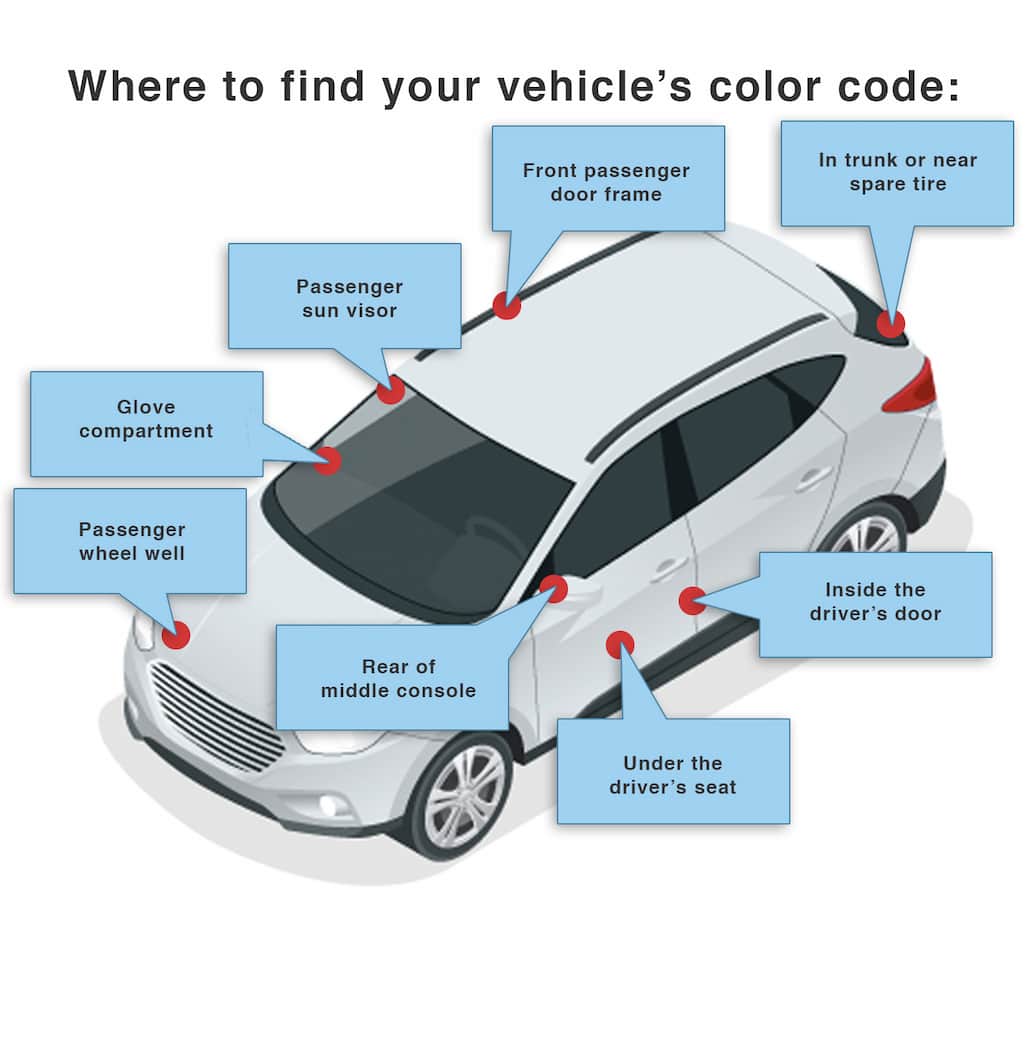
To find your color identity, look for the "Patent Plate." On pre-1951 models, it's usually a metal tag riveted to the engine side of the firewall or the cowl. If you're driving a later model (1951-1956), check the driver's side door jamb (the A-pillar). Be careful: Packard famously used a font where the number "1" looks exactly like a capital letter "I," so keep a sharp eye when reading those stamped codes!
Driveway Repair Tip
Since Ivory is a lighter shade, it can sometimes be a bit "shy" when it comes to coverage. If you're using a touch-up brush to fix a chip on one of those massive steel fenders, remember that three thin layers are always better than one big, gloppy one. Light colors tend to "shrink" as they dry, so apply a tiny dab, wait 20 minutes, and then come back for a second pass. It requires a little patience, but it's the best way to ensure your repair sits flush with the rest of the hood.