


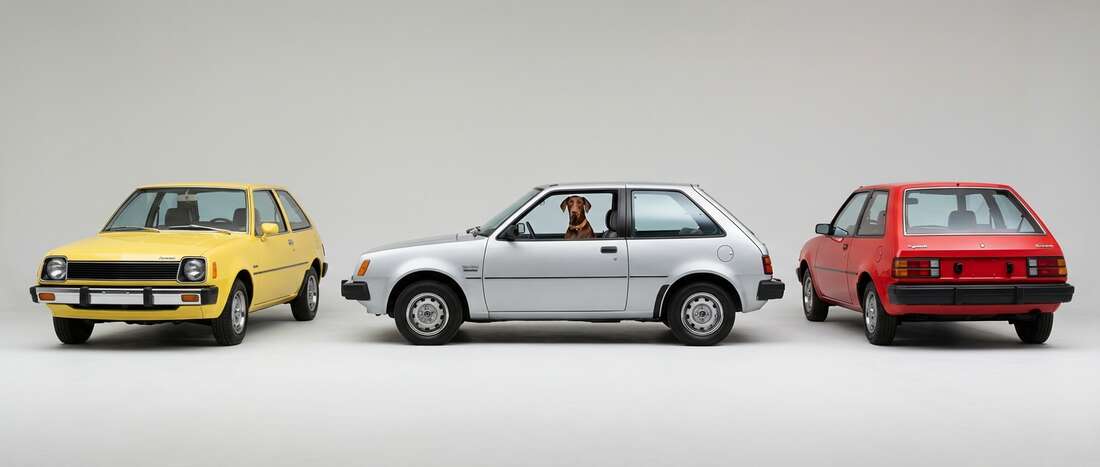
Plymouth Champ Touch Up Paint (33 OEM Colors)
Search for your Champ's color
-

Bright Gold Metallic
PlymouthBright Gold Metallic (K19)
-

Cream Yellow
PlymouthCream Yellow (Y64)
-

Atlantic Blue Metallic
PlymouthAtlantic Blue Metallic (B71/PB7)
-

Ballast Sand Metallic
PlymouthBallast Sand Metallic (C95)
-

Beige
PlymouthBeige (S37)
-

Black
PlymouthBlack (015/X15/X21)
-
Black
PlymouthBlack (X15)
-
Black
PlymouthBlack (X21)
-

Blue Metallic
PlymouthBlue Metallic (B79)
-

Bright Blue Metallic
PlymouthBright Blue Metallic (022/615/B22)
-

Bright Yellow
PlymouthBright Yellow (Y58)
-

Corsica Brown Metallic
PlymouthCorsica Brown Metallic (C69)
-

Dark Blue Metallic
PlymouthDark Blue Metallic (B46)
-

Eiger Silver Metallic
PlymouthEiger Silver Metallic (H43/PA1)
-

Kaiser Silver Metallic
PlymouthKaiser Silver Metallic (H39/PS9)
-

La Havre Beige
PlymouthLa Havre Beige (S25/PT2)
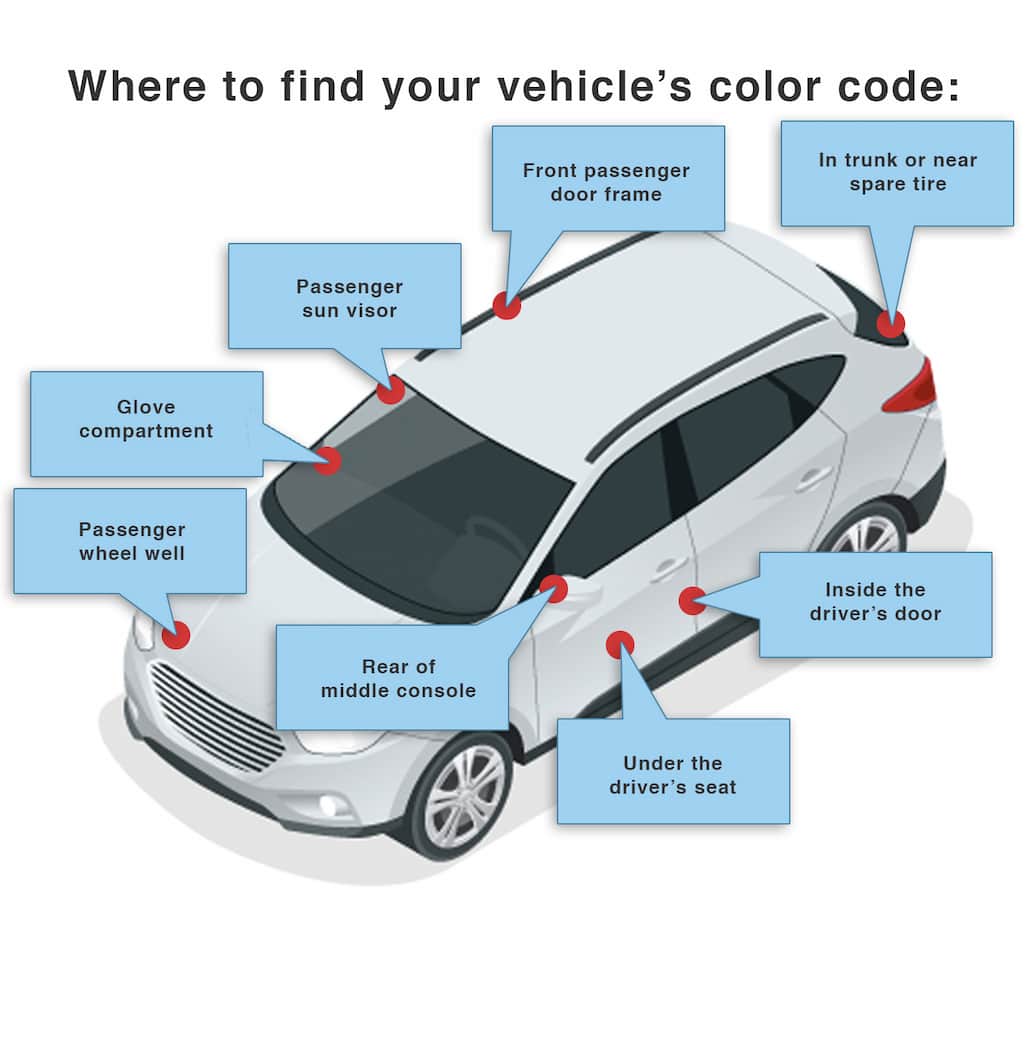
How to Find Your Plymouth Champ's Color Code
Plymouth paint codes were often hidden on top of the radiator support, hard to spot under engine grease and oil. Later models started putting them on the drivers door jamb. Typical code format appears as BS/GBS, but only the BS is the color code; variants like QBS, PBS, TBS may appear. BS corresponds to Deep Water Blue Pearl Clearcoat. The G in GBS is not part of the code, and newer listings may simply show BS.