


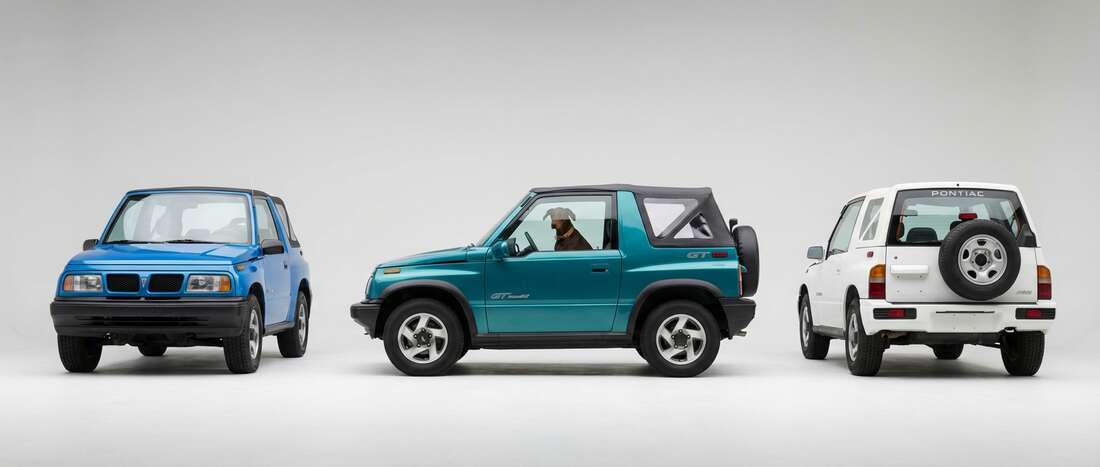
Pontiac Sunrunner Touch Up Paint (24 OEM Colors)
Search for your Sunrunner's color
-

Black
PontiacBlack (19U/WA990A)
-

Black Metallic
PontiacBlack Metallic (WA9962/41U)
-

Purple Graphite Metallic
PontiacPurple Graphite Metallic (89U/WA164E)
-

Red Metallic
PontiacRed Metallic (WA9988/75U)
-

Sunset Red Metallic
PontiacSunset Red Metallic (53U/WA189D)
-

Super Grape III Metallic
PontiacSuper Grape III Metallic (WA300C/84U)
-

Black
PontiacBlack (WA990A/19U)
-

Brilliant Red Metallic
PontiacBrilliant Red Metallic (WA209A/75U)
-

California Gold Metallic
PontiacCalifornia Gold Metallic (58U/WA162E)
-

Light Blue Metallic
PontiacLight Blue Metallic (WA249A/49U)
-

Medium Blue Metallic
PontiacMedium Blue Metallic (WA9989/80U)
-

Medium Gray Metallic
PontiacMedium Gray Metallic (WA247A/15U)
-

Scuba Blue Metallic
PontiacScuba Blue Metallic (32U/WA214B)
-

Scuba Blue Metallic
PontiacScuba Blue Metallic (WA214B/32U)
-

Silver Metallic
PontiacSilver Metallic (WA9824/12U/13U)
-

Silver Sage Metallic
PontiacSilver Sage Metallic (WA216B/18U)
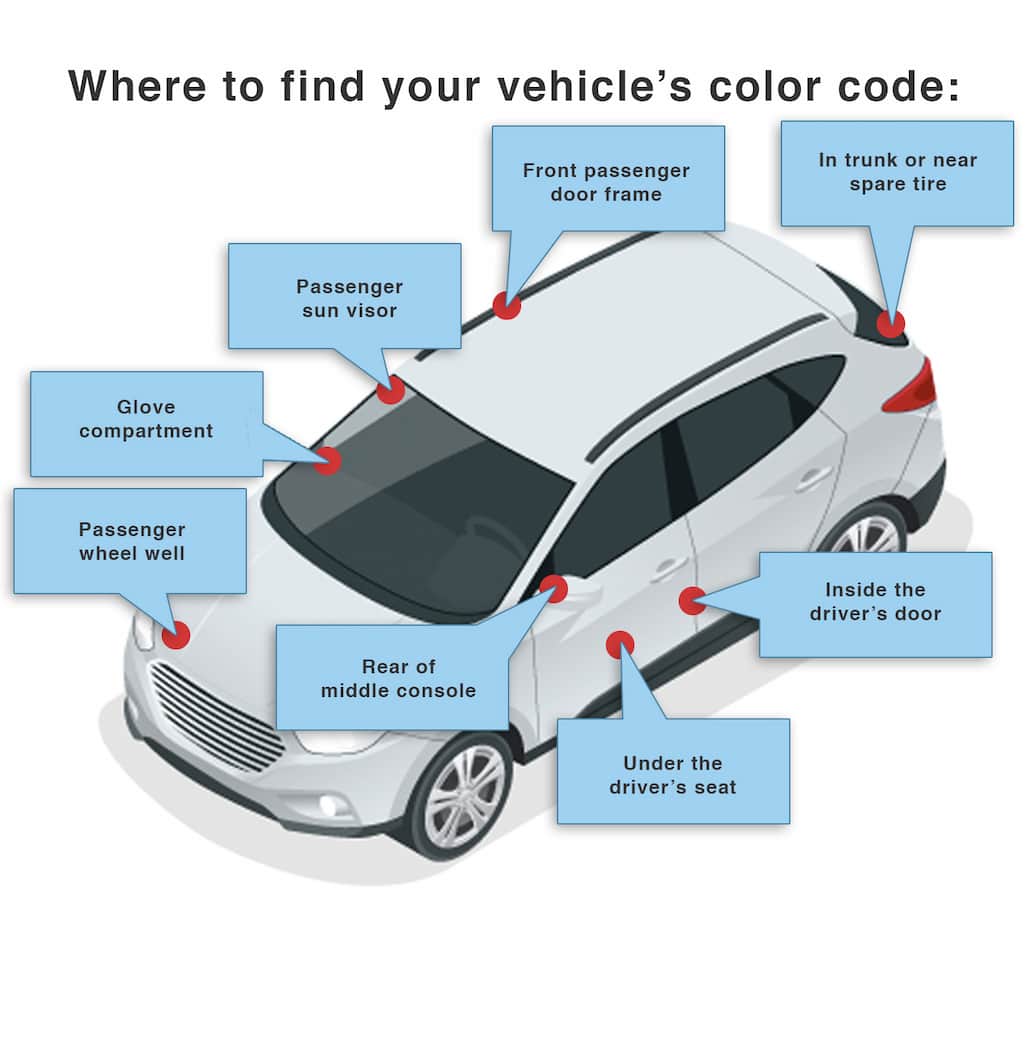
How to Find Your Pontiac Sunrunner's Color Code
Pontiac placed paint code labels in many spots across years, so they can be hard to locate. Common locations include the glove box or the spare tire well; beyond that, placement can be anywhere. Codes appear like 51/WA316N, often shown as BC/CC 51 or BC/CC 316N, and may include U or L for two tone (U316N, L316N). Example names tied to codes include Slate Gray Metallic Clearcoat, Gold Mist Metallic Clearcoat, Gold Clearcoat, Inca Metallic Clearcoat.