


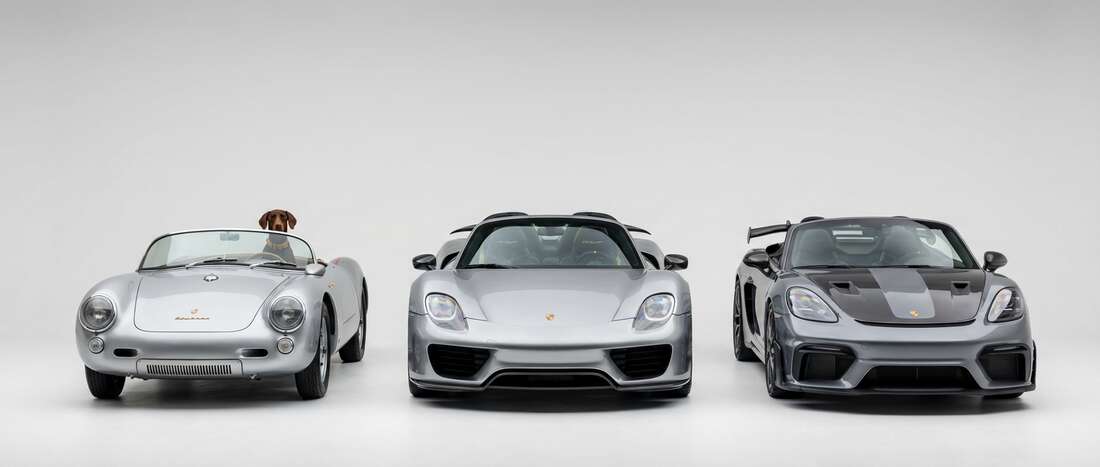
Porsche Spyder Touch Up Paint (13 OEM Colors)
Search for your Spyder's color
-
GT-Silver Metallic
PorscheGT-Silver Metallic (M7Z/U2)
🔥 Ordered 10 times recently -
Pure White
PorschePure White (C9A/0Q)
🔥 Ordered 6 times recently -

Jet Black Pearl
PorscheJet Black Pearl (C9X/2T)
🔥 Ordered 3 times recently -

Guards Red
PorscheGuards Red (84A/G1)
🔥 Ordered 2 times recently -
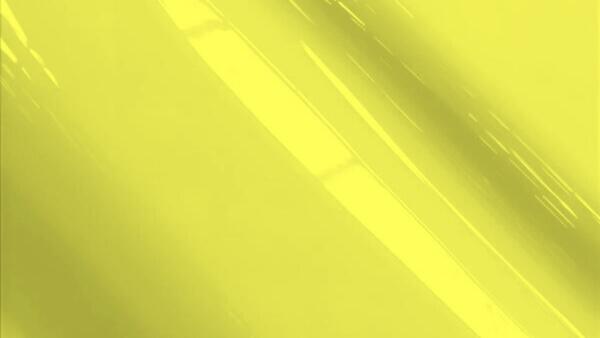
Racing Yellow
PorscheRacing Yellow (1S1/P3)
🔥 Ordered 2 times recently -

Black
PorscheBlack (041/741/A1)
🔥 Ordered 1 times recently -
Carrara White Pearl Tricoat
PorscheCarrara White Pearl Tricoat (S9R/2Y)
🔥 Ordered 1 times recently -
Chalk
PorscheChalk (M9A/3H)
🔥 Ordered 1 times recently -

Enzian Blue Pearl
PorscheEnzian Blue Pearl (M5D)
🔥 Ordered 1 times recently -

Karmin Red
PorscheKarmin Red (M3C/0L)
🔥 Ordered 1 times recently -

Miami Blue
PorscheMiami Blue (M5C/J5)
🔥 Ordered 1 times recently -

Lava Orange
PorscheLava Orange (M2A/H2)
-

Lizard Green
PorscheLizard Green (M6B)
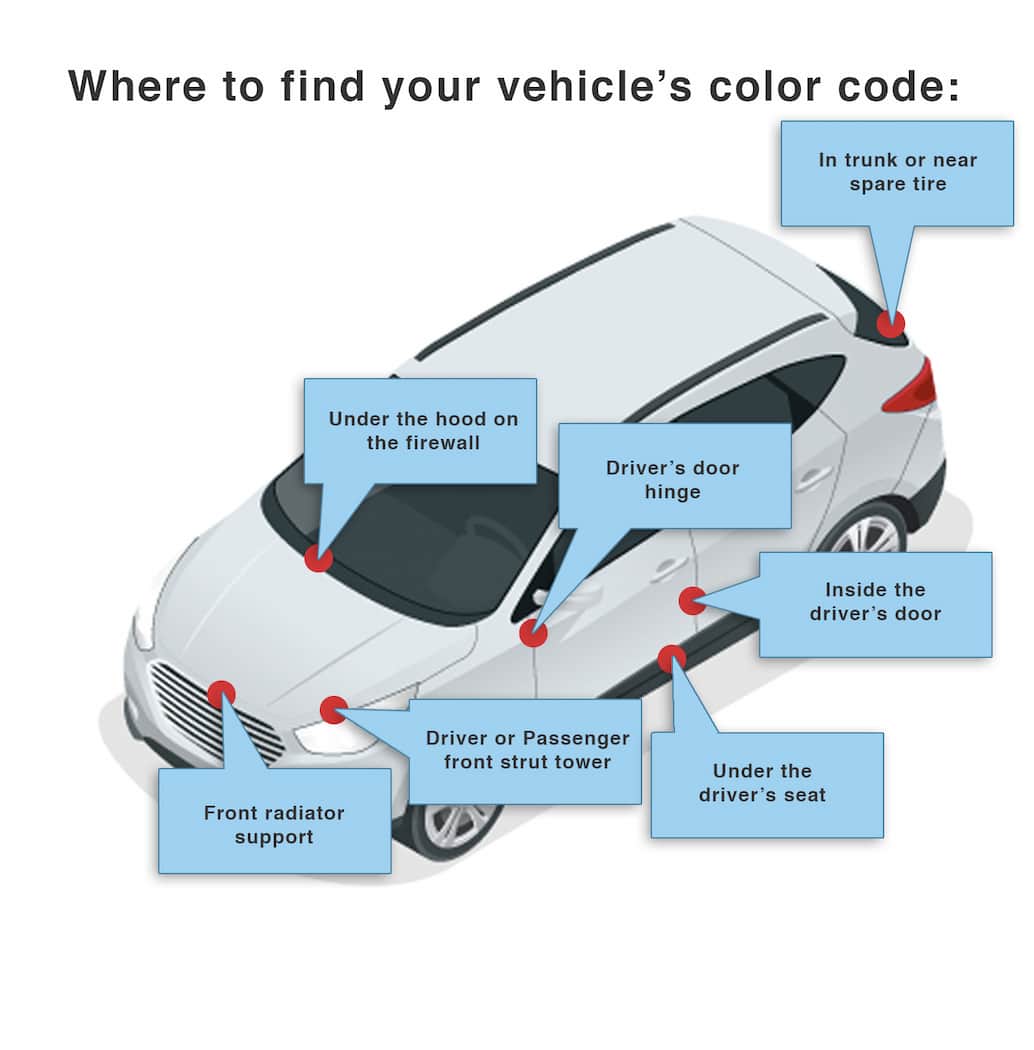
How to Find Your Porsche Spyder's Color Code
Porsche paint codes are often hard to find. They are usually near the spare tire area, printed on a paper color ID tag that may fall off with time. The owner's manual for some models sometimes lists paint codes. Porsche uses the same color across different models, and the same code may appear under different color names. Codes can be four characters starting with L or three characters, using letters and numbers.