Renault LeCar Paint Info
The Color Breakdown
The Renault LeCar may have been small, but it had a big personality when it came to the palette. Renault recorded a total of 7 colors for this quirky classic, ranging from the very 80s Champagne Metallic to the surprisingly sophisticated Spruce Green Metallic. They really went for it with that green-it's a deep, forest-inspired shade that makes the little hatchback look almost dignified. You also had your essentials like Silver Metallic, Dark Blue Metallic, White, Black, and a Red that was practically mandatory for a car this fun.
What to Watch For
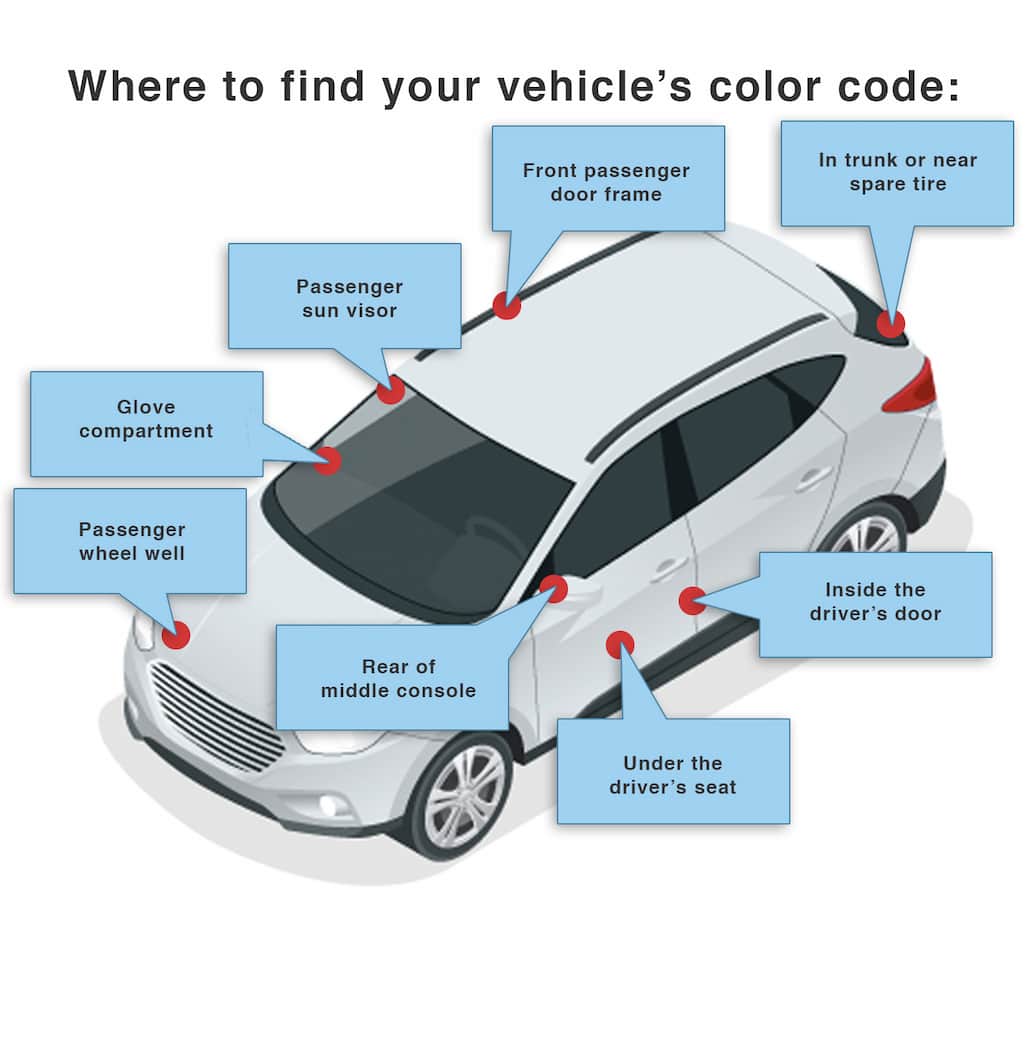
Before you start dabbling with that touch-up bottle, you need to find your "Oval Plate." In the world of Renault, this metal ID plate is your North Star. Open the hood and look at the passenger-side inner fender (near the strut tower) or the radiator support. You're looking for a three-digit number, often tucked inside an oval-shaped stamping.
As for the paint itself, it's a bit "French-thin." This means it's prone to fading if it spends too much time in the sun, and the clear coat on those metallic shades-especially the Silver and Champagne-can get brittle and start to flake away like a buttery croissant. You'll mostly notice chips on the leading edge of the hood and around those iconic door handles. Don't worry, though; these spots are easy to manage if you catch them before the rust starts its own DIY project.
Driveway Repair Tip
When you're working with Spruce Green or Champagne Metallic, you have to remember that the "magic" is in the metallic flakes. These tiny sparkles love to settle at the bottom of the bottle. Shake your touch-up pen or bottle for a full 60 seconds-longer than you think you need to-to wake those sparkles up. When applying, don't try to "paint" a stroke. Instead, dab a tiny amount into the center of the chip and let it flow to the edges. If the color doesn't look perfect on the first pass, stay calm; matching vintage metallics requires patience. Let the first layer dry completely before adding a second thin layer to build up the depth.