


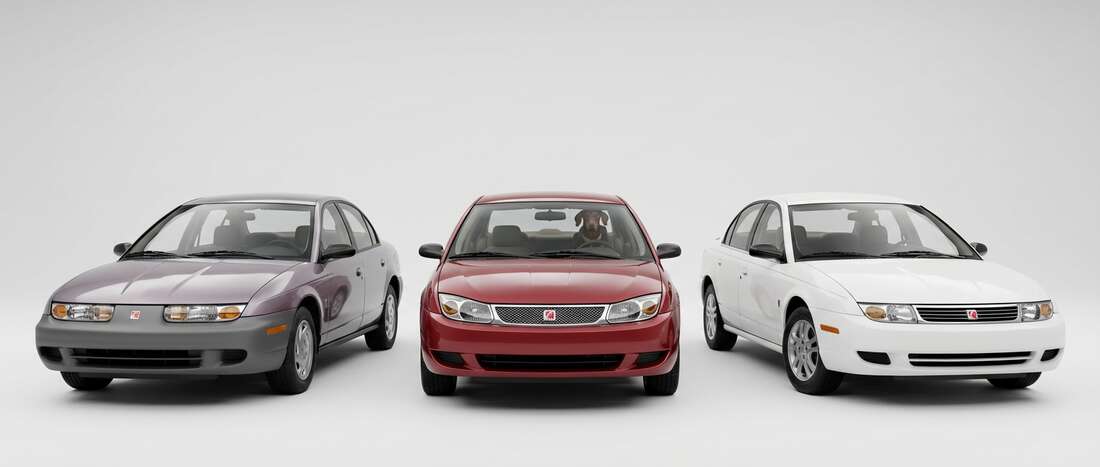
Saturn L-Series Touch Up Paint (24 OEM Colors)
Search for your L-Series's color
-

Black
SaturnBlack (41/WA8555)
🔥 Ordered 2 times recently -

Dark Ming Blue Metallic
SaturnDark Ming Blue Metallic (25/WA722J)
🔥 Ordered 1 times recently -

Antique Bronze Metallic
SaturnAntique Bronze Metallic (53/WA317N)
-
Arctic Bright White
SaturnArctic Bright White (WA9753)
-

Arrival Blue Metallic
SaturnArrival Blue Metallic (91/WA815K)
-

Blue Silver Pri Metallic
SaturnBlue Silver Pri Metallic (42/WA725H)
-
Bright Silver Pri Metallic
SaturnBright Silver Pri Metallic (12/WA519F)
-
Bright Silver Sparkle Effect (Wheel)
SaturnBright Silver Sparkle Effect (Wheel) (9967)
-
Cashmere Metallic
SaturnCashmere Metallic (19/WA929L)
-
Cream White
SaturnCream White (40/WA8554)
-

Dark Spiral Gray Metallic
SaturnDark Spiral Gray Metallic (62/WA805K)
-
Fine Silver Birch Metallic
SaturnFine Silver Birch Metallic (59/WA926L)
-

Imperial Blue Effect
SaturnImperial Blue Effect (WA403P)
-
Light Tarnished Silver Metallic
SaturnLight Tarnished Silver Metallic (67/WA994L)
-

Light Toreador Metallic
SaturnLight Toreador Metallic (53/WA860J)
-
Light Toreador Metallic
SaturnLight Toreador Metallic (WA869J)
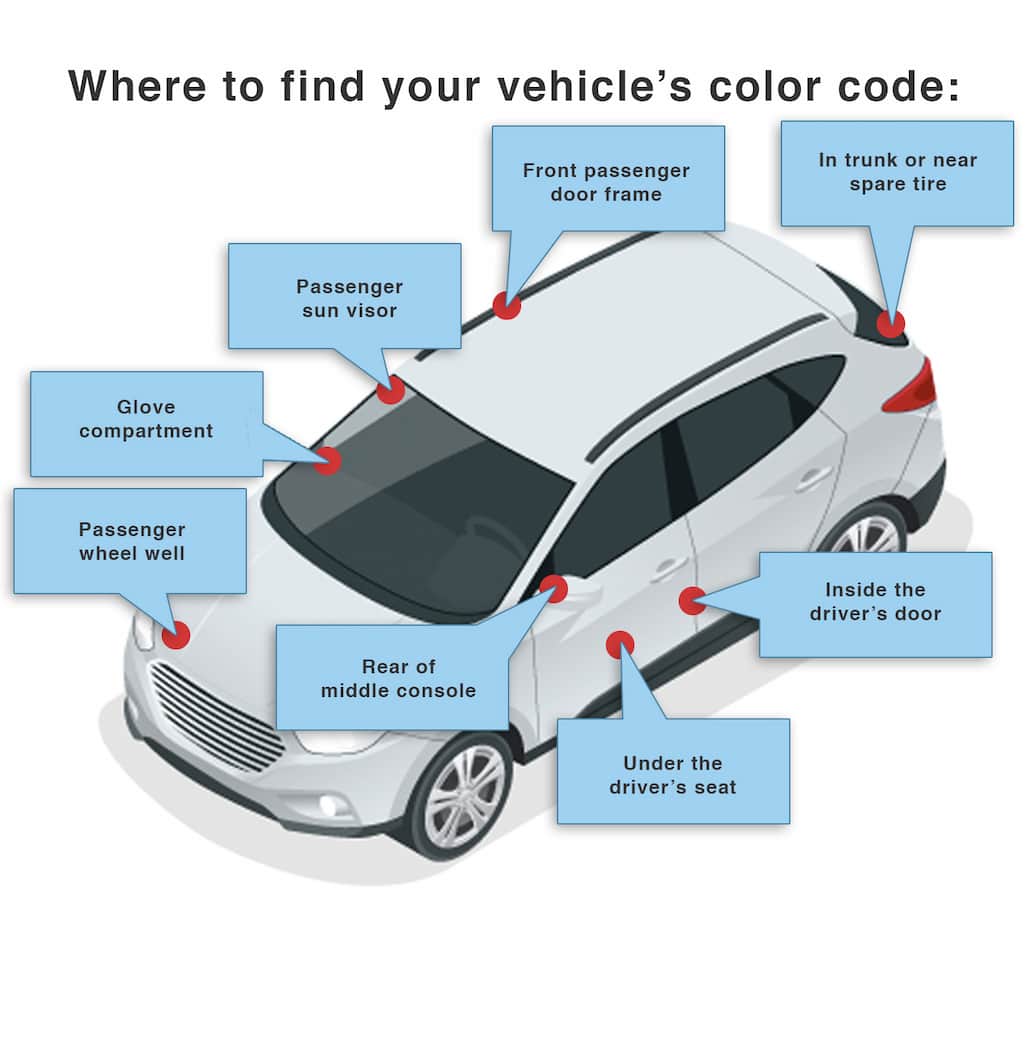
How to Find Your Saturn L-Series's Color Code
Saturn used many different locations for the paint color plate over the years, making it hard to find. The paint code is usually in the glove box or the spare tire well; if not there, it may be elsewhere. GM did not standardize the location across makes and models. Codes like 51/WA316N are often preceded by BC/CC; two tone cars may show U or L (Upper/Lower), e.g., BC/CC U316N or BC/CC L316N. There can be eighteen different code 51's so 316N identifies the color.