


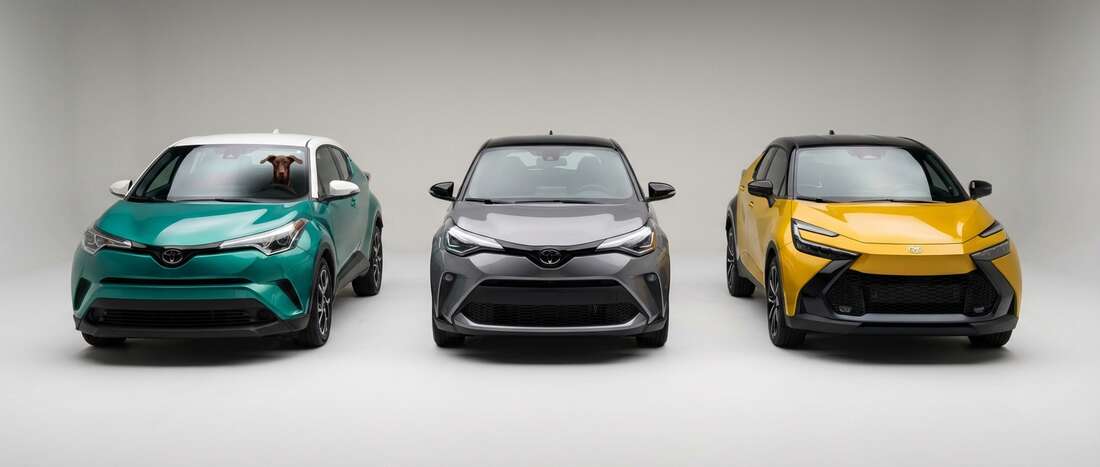
Toyota C-HR Touch Up Paint (32 OEM Colors)
Search for your C-HR's color
-
Super White 2
ToyotaSuper White 2 (040)
🔥 Ordered 73 times recently -
Magnetic Gray Metallic
ToyotaMagnetic Gray Metallic (1G3)
🔥 Ordered 64 times recently -
Blizzard Pearl Tricoat
ToyotaBlizzard Pearl Tricoat (070)
🔥 Ordered 52 times recently -

Attitude Black Pearl
ToyotaAttitude Black Pearl (218)
🔥 Ordered 46 times recently -
Wind Chill Pearl Tricoat
ToyotaWind Chill Pearl Tricoat (089)
🔥 Ordered 46 times recently -

Black
ToyotaBlack (202)
🔥 Ordered 21 times recently -

Red Pearl
ToyotaRed Pearl (3T3)
🔥 Ordered 15 times recently -
Black Pearl
ToyotaBlack Pearl (209)
🔥 Ordered 11 times recently -

Blue Flame Pearl
ToyotaBlue Flame Pearl (8W9)
🔥 Ordered 6 times recently -

Bright Red Tricoat
ToyotaBright Red Tricoat (3U5)
🔥 Ordered 5 times recently -
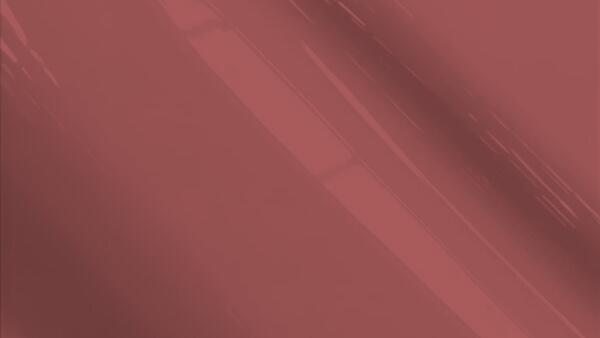
Sunset Bronze Mica
ToyotaSunset Bronze Mica (4U3)
🔥 Ordered 3 times recently -
Metal Stream Metallic
ToyotaMetal Stream Metallic (1K0)
🔥 Ordered 2 times recently -

Blue Pearl Tricoat
ToyotaBlue Pearl Tricoat (8X1)
🔥 Ordered 1 times recently -
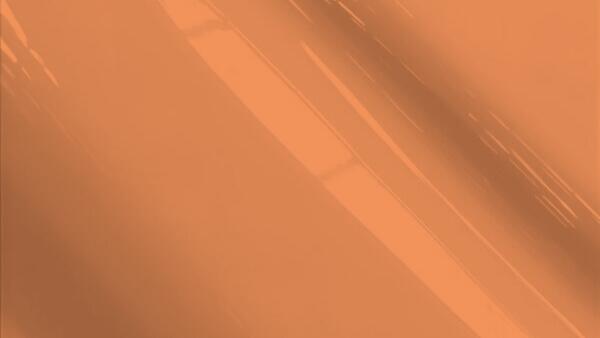
Bronze Oxide Pearl
ToyotaBronze Oxide Pearl (6X1)
🔥 Ordered 1 times recently -

Deep Blue Pearl
ToyotaDeep Blue Pearl (8X5)
🔥 Ordered 1 times recently -

Mercury Gray Metallic
ToyotaMercury Gray Metallic (1H9)
🔥 Ordered 1 times recently
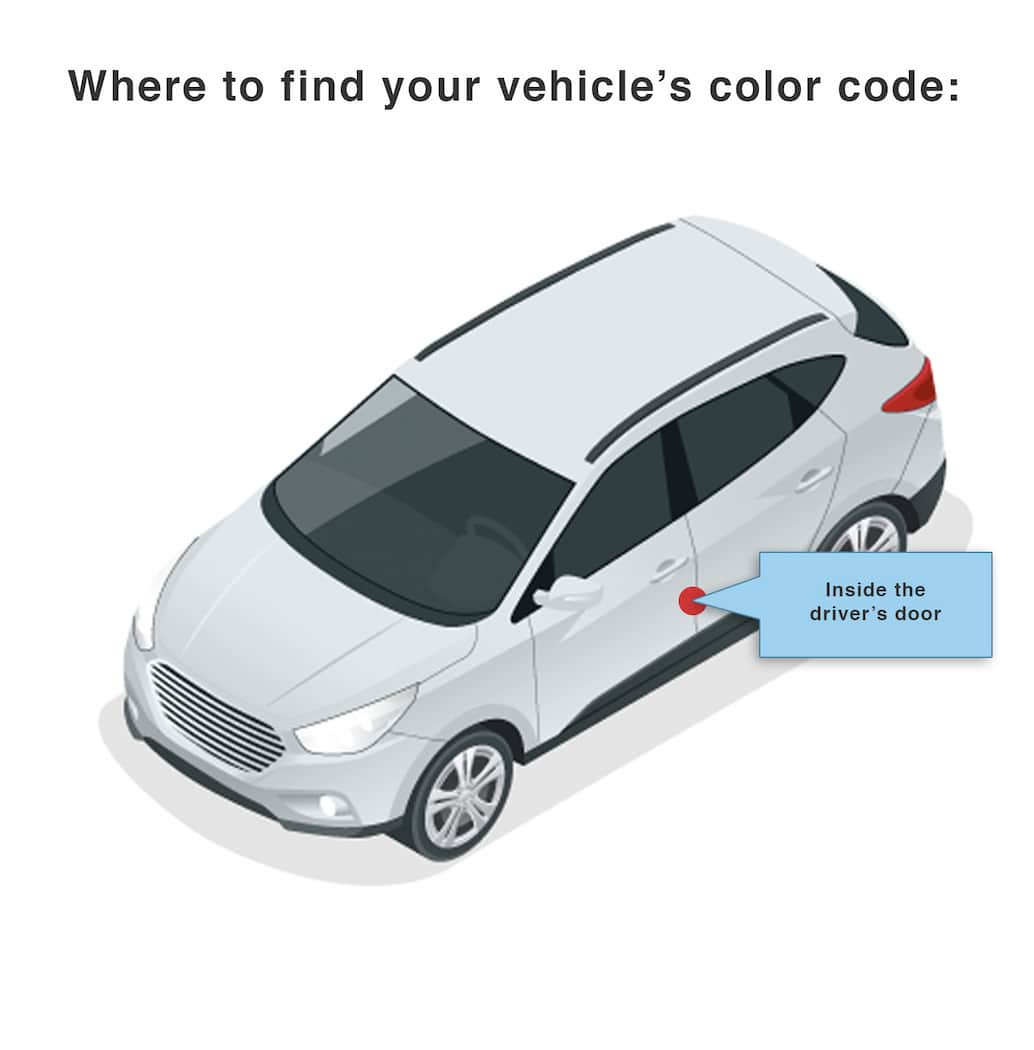
How to Find Your Toyota C-HR's Color Code
On all Toyota models, the color ID plate is on the drivers door jamb. It shows the letters C/TR and then the paint code. Example: C/TR 3P1 FA09. The color code is 3P1; FA09 is not part of the color code and is an interior option code. For example, 3P1 is Impulse Red Metallic Clearcoat; names may vary like Red Metallic Clearcoat or Wine Metallic Clearcoat. The color code can also be obtained from a dealer using the VIN.