


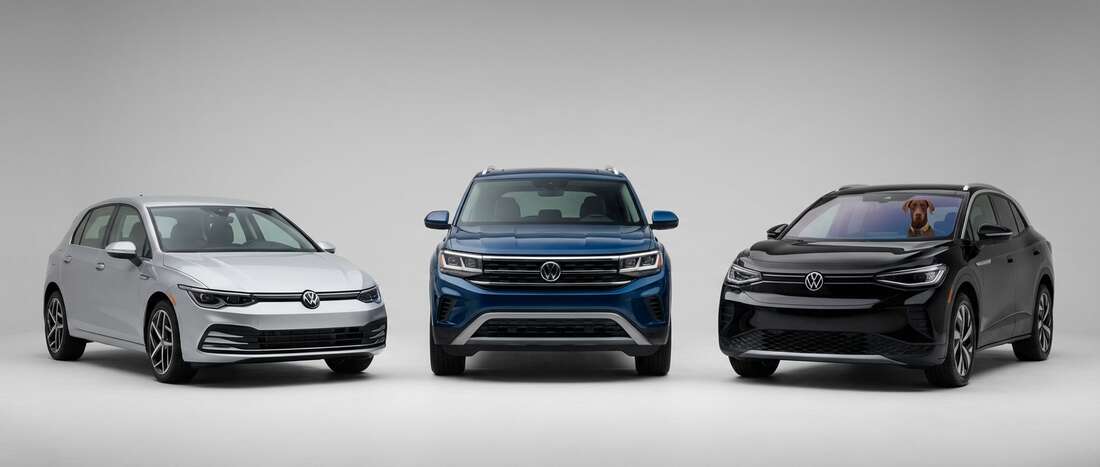
1994 Volkswagen Touch Up Paint (35 OEM Colors)
Search for your color
-
Candy White
VolkswagenCandy White (LB9A/B4)
🔥 Ordered 11 times recently -

Black
VolkswagenBlack (L041/A1)
🔥 Ordered 10 times recently -

Tornado Red
VolkswagenTornado Red (LY3D/G2)
🔥 Ordered 8 times recently -
Arctic White
VolkswagenArctic White (R902/T7)
🔥 Ordered 3 times recently -
Alpine White
VolkswagenAlpine White (L90E/P1)
🔥 Ordered 1 times recently -

Classic Green Pearl
VolkswagenClassic Green Pearl (LC6U/U8)
🔥 Ordered 1 times recently -
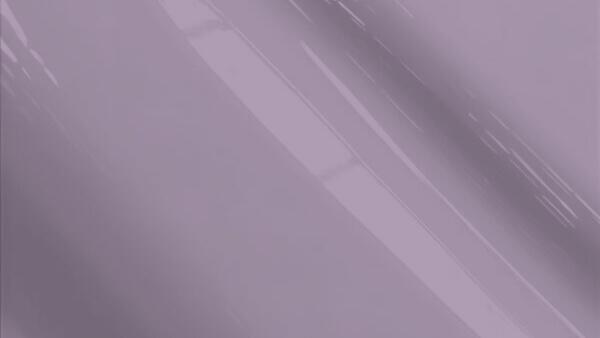
Violet Metallic
VolkswagenViolet Metallic (LK4Y/U5)
🔥 Ordered 1 times recently -

Aqua Blue Pearl
VolkswagenAqua Blue Pearl (LC5U/J9)
-

Atlantic Blue Metallic
VolkswagenAtlantic Blue Metallic (LH5Z/J3)
-

Blue
VolkswagenBlue (LP5U)
-

Bordeaux Red Pearl
VolkswagenBordeaux Red Pearl (LC3Y/L6)
-

Brilliant Black Metallic
VolkswagenBrilliant Black Metallic (LA9V/R8)
-

Bromberr Metallic
VolkswagenBromberr Metallic (LK4Z/S4)
-

Capri Green Metallic
VolkswagenCapri Green Metallic (LA6U/Q5)
-

Carribean Green
VolkswagenCarribean Green (LP6M/M2)
-
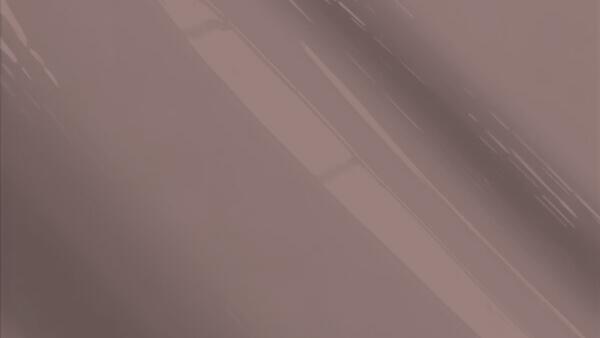
Dusty Mauve Pearl
VolkswagenDusty Mauve Pearl (LC5P/T1)

For small chips & scratches
Customized Color Paint Pen
Repair tiny chips and scratches with precision. Perfect for small nicks from rocks or door dings, the fine tip applicator makes it easy for beginners to achieve a clean, factory-quality finish.

For Medium-sized Chips & Scratches
Customized Color Paint Bottle
Tackle medium-sized scratches and chips with our Customzied Color Paint Bottle. The built-in applicator brush provides smooth, controlled coverage, while the included basecoat delivers a perfect factory match in your custom paint color.

For larger areas & panel resprays
Customized Color Spray Can
Cover larger areas with a smooth, professional finish using ourcustomized color Spray Can. Designed for hoods, fenders, and larger scratches, this product provides consistent spray coverage and factory-matched color accuracy.

For large repairs & total resprays
Customized Color Professional Size Paint
When your repair job calls for more than a touch-up, step up to our professional-size automotive paints. Available in Pint, Quart, or Gallon sizes, these paints are ready-to-spray using an airless spray gun.

For small chips & scratches
Customized Color Tricoat Paint Pens
Repair tiny chips and scratches with precision. Perfect for small nicks from rocks or door dings, the fine tip applicator makes it easy for beginners to achieve a clean, factory-quality finish. Each order includes a basecoat and a midcoat pen.

For Medium-sized Chips & Scratches
Customized Color Tricoat Paint Bottles
Tackle medium-sized scratches and chips with our Customzied Color Paint Bottles. The built-in applicator brush provides smooth, controlled coverage, while the basecoat & midcoat deliver a perfect factory match in your custom paint color.

For larger areas & panel resprays
Customized Color Tricoat Spray Cans
Cover larger areas with a smooth, professional finish using our customized color basecoat & midcoat Spray Cans. Designed for hoods, fenders, and larger scratches, this product provides consistent spray coverage and factory-matched color accuracy.
For large repairs & total resprays
Customized Color Tricoat Professional Size Paint
When your repair job calls for more than a touch-up, step up to our professional-size automotive paints. Available in Pint, Quart, or Gallon sizes, these paints are ready-to-spray using an airless spray gun. Each order includes a basecoat & a midcoat paint.
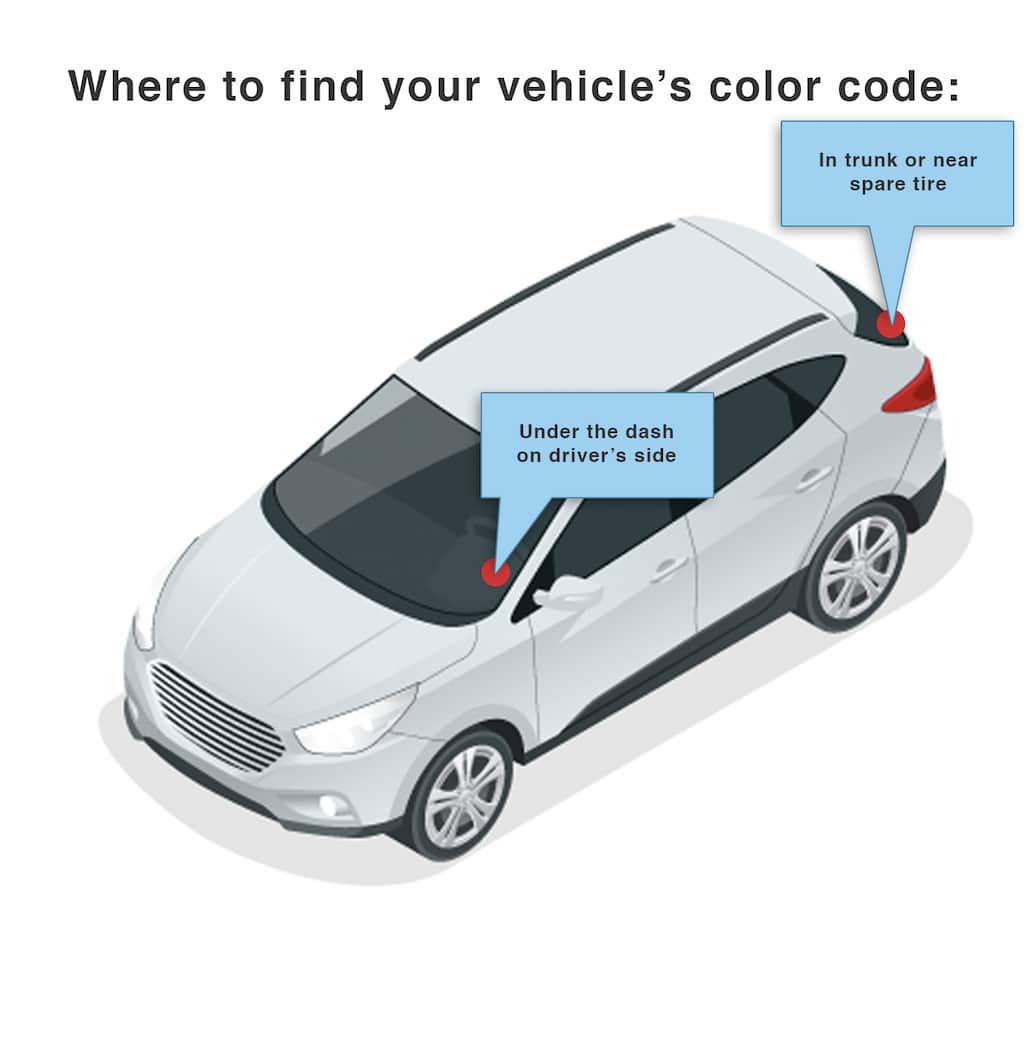
How to Find Your 1994 Volkswagen's Color Code
Volkswagen paint codes can be difficult to find. Most are located around the spare tire area, printed on a paper color id tag that is guaranteed to fall off and disappear just when needed; not on a metal plate in the driver door jamb. Typical format: LD7X/2R (two codes: LD7X and 2R). LD7X corresponds to Platinum Gray Metallic Clearcoat; 2R is also used for the same color. Really old Volkswagen can be nearly impossible to figure out.