


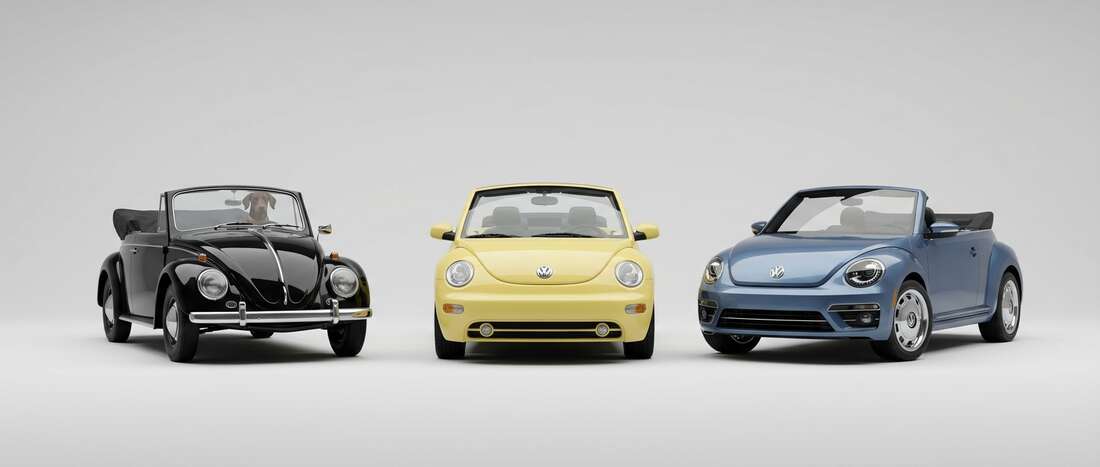
Volkswagen Beetle Convertible Touch Up Paint (22 OEM Colors)
Search for your Beetle Convertible's color
-

Reflex Silver Metallic
VolkswagenReflex Silver Metallic (LA7W/8E)
🔥 Ordered 14 times recently -

Candy White
VolkswagenCandy White (LB9A/B4)
🔥 Ordered 12 times recently -

Black
VolkswagenBlack (L041/A1)
🔥 Ordered 10 times recently -

Platinum Gray Metallic
VolkswagenPlatinum Gray Metallic (LD7X/2R)
🔥 Ordered 10 times recently -

Tornado Red
VolkswagenTornado Red (LY3D/G2)
🔥 Ordered 8 times recently -

Salsa Red
VolkswagenSalsa Red (LA3H/4Y)
🔥 Ordered 3 times recently -

Cyber Green Metallic
VolkswagenCyber Green Metallic (LG6V/L9)
🔥 Ordered 2 times recently -

Gecko Green Pearl
VolkswagenGecko Green Pearl (LA6K/8U)
🔥 Ordered 1 times recently -

Mellow Yellow
VolkswagenMellow Yellow (LB1D/B3)
🔥 Ordered 1 times recently -
Salsa Red
VolkswagenSalsa Red (LA3H/TK)
🔥 Ordered 1 times recently -

Sunflower
VolkswagenSunflower (LB1B/T1)
🔥 Ordered 1 times recently -

Aquarius
VolkswagenAquarius (LB5B/T4)
-

Dark Flint Metallic
VolkswagenDark Flint Metallic (LG7W)
-

Harvest Moon Beige
VolkswagenHarvest Moon Beige (LB1M/V1)
-

Heaven Blue Metallic
VolkswagenHeaven Blue Metallic (LR5X/R2)
-

Laser Blue Pearl
VolkswagenLaser Blue Pearl (LC5J/Y3)
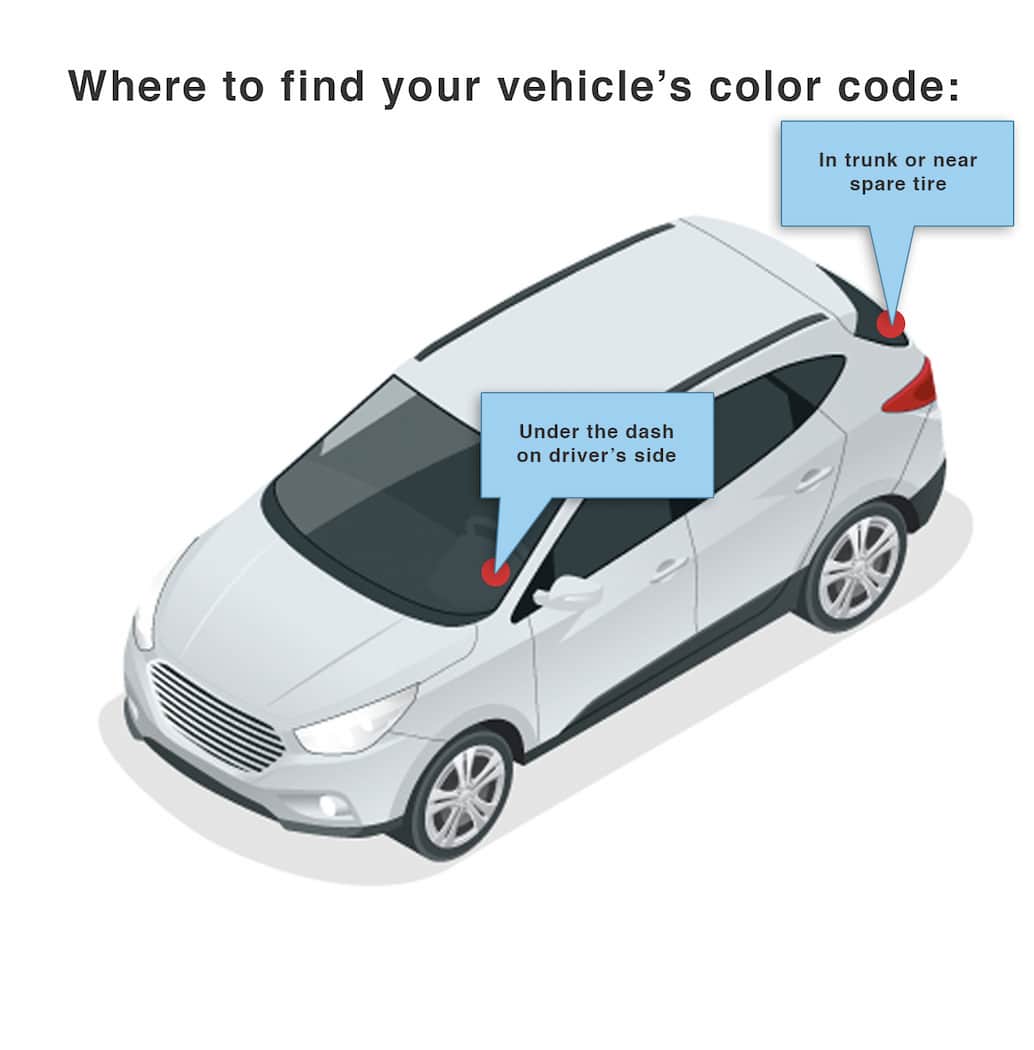
How to Find Your Volkswagen Beetle Convertible's Color Code
Volkswagen paint codes can be difficult to find. Most are located around the spare tire area, printed on a paper color id tag that is guaranteed to fall off and disappear just when needed; not on a metal plate in the driver door jamb. Typical format: LD7X/2R (two codes: LD7X and 2R). LD7X corresponds to Platinum Gray Metallic Clearcoat; 2R is also used for the same color. Really old Volkswagen can be nearly impossible to figure out.