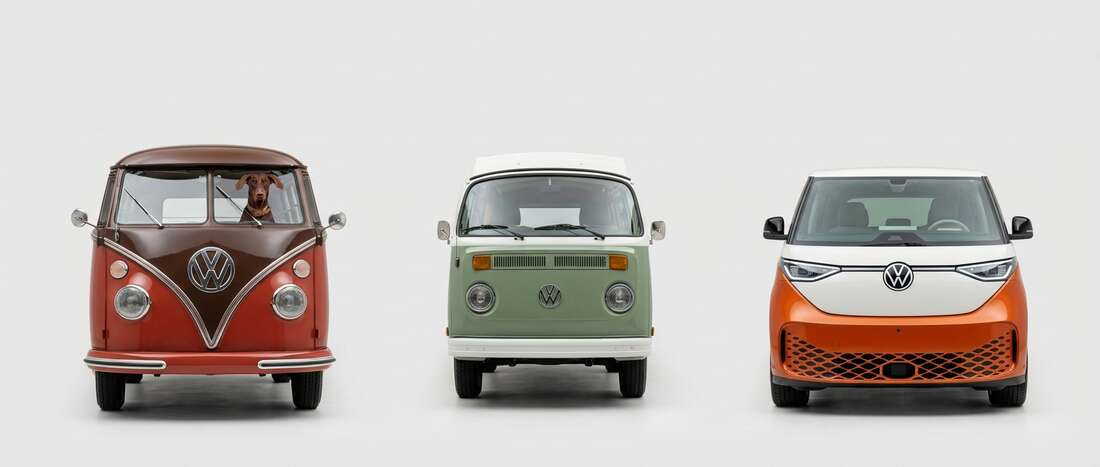
Volkswagen Type 2 Paint Info
The Color Breakdown
Volkswagen clearly wanted the Type 2 to look at home anywhere from a desert trailhead to a coastal surf spot. With only 7 recorded colors for this era, they didn't overwhelm us with choice, but they certainly leaned into the "nature-inspired" palette. You've got the earthy Sage Green and Mexico Beige, the adventurous Sierra Gold, and the vibrant Senegal Red. They really went for it with these tones-it's less of a color chart and more of a 1970s travel itinerary.
What to Watch For
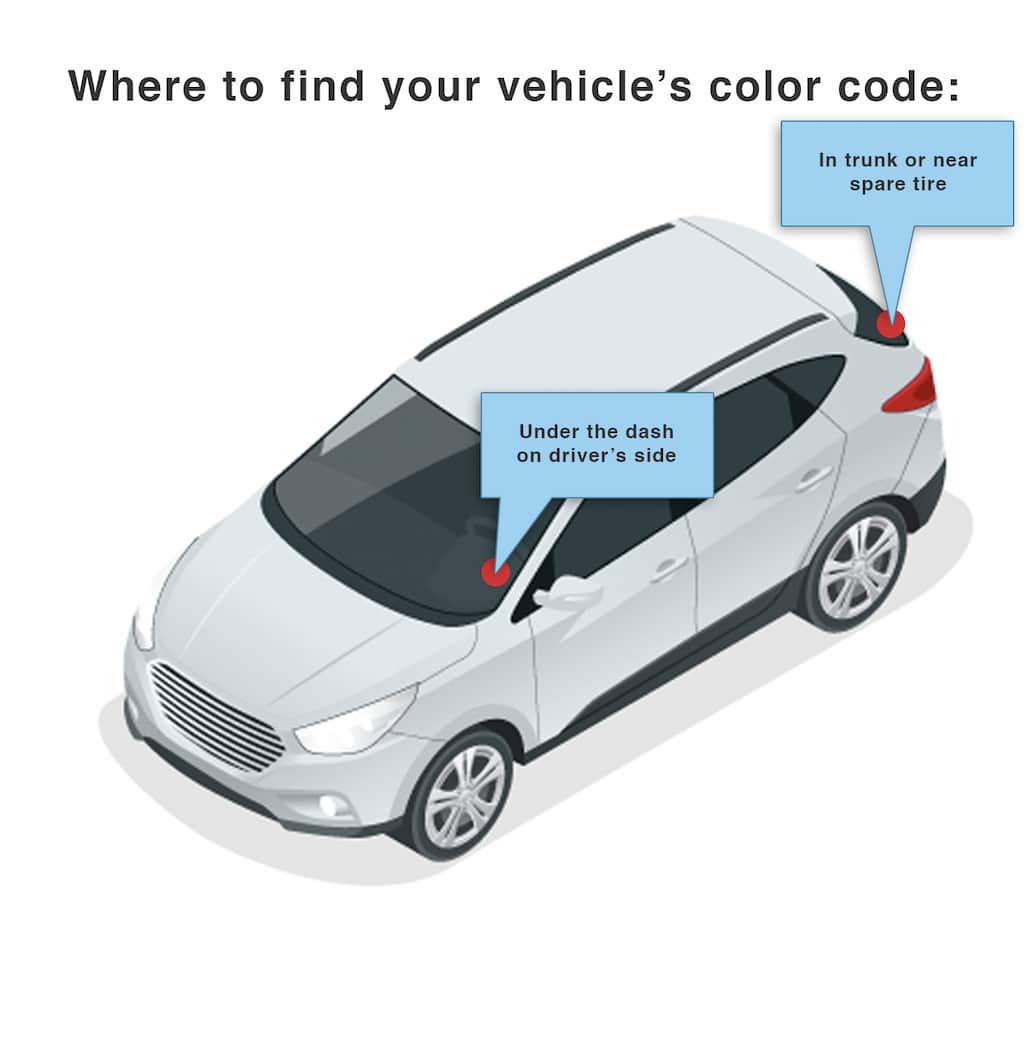
Before you start dabbing paint, you have to find your code, and VW made it a bit of a treasure hunt. Look for the "M-Plate" (a metal ID tag). If your bus is a 1976 or older, check the wall behind the driver's seat. If it's a later model (1977-1979), it's usually hiding on the fresh air duct under the dashboard-you might need a flashlight and a mirror to see it. Once you find it, look for a code starting with "L" (like L30B for red).
As for the paint itself, these old beauties are prone to "sunburn." Because the Type 2 has so much vertical surface area, the sun loves to bake the pigment, especially on Senegal Red, which can fade toward pink if left out too long. You'll also want to keep an eye on the rain gutters and window seals; paint tends to get brittle there first, leading to those tiny chips that eventually invite rust to the party.
Driveway Repair Tip
When using your touch-up brush or pen, remember that the "sides of the barn" are huge and very flat. Gravity is not your friend here. If you load up the brush with too much paint, it will start to sag and run down the side of your van before it dries.
Instead, treat it like a professional artist: use two or three very thin "whisper" coats rather than one big glob. If you're working with Sierra Gold or Ozeanic Blue, give that bottle a serious workout-shake it for a full two minutes. Those pigments like to settle at the bottom of the bottle, and you need them fully awake to get a match that respects the original look of your bus.